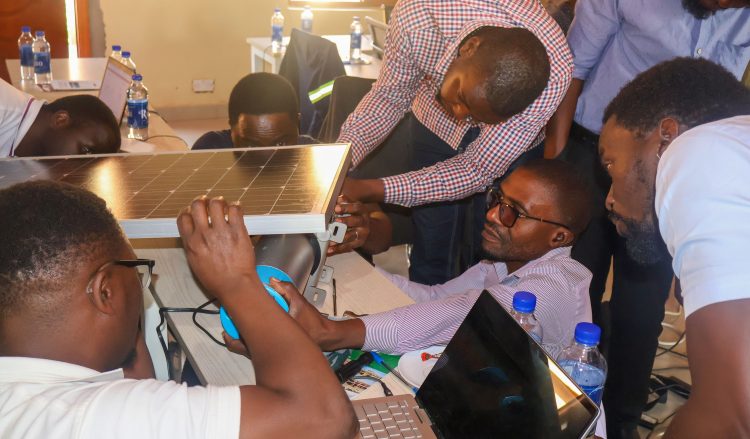
Reliable internet on a university campus does not depend on technology alone. It depends on the people behind it.
As Malawi continues to experience power outages and occasional fibre disruptions, universities need more than resilient infrastructure, they need skilled ICT teams capable of deploying, managing, and sustaining it. That was the thinking behind the latest phase of the Internet Society Foundation (ISOC)-funded Network Resilience Project, where the Malawi Research and Education Network (MAREN) has equipped ICT personnel from seven higher education institutions with the practical skills to support resilient campus connectivity.
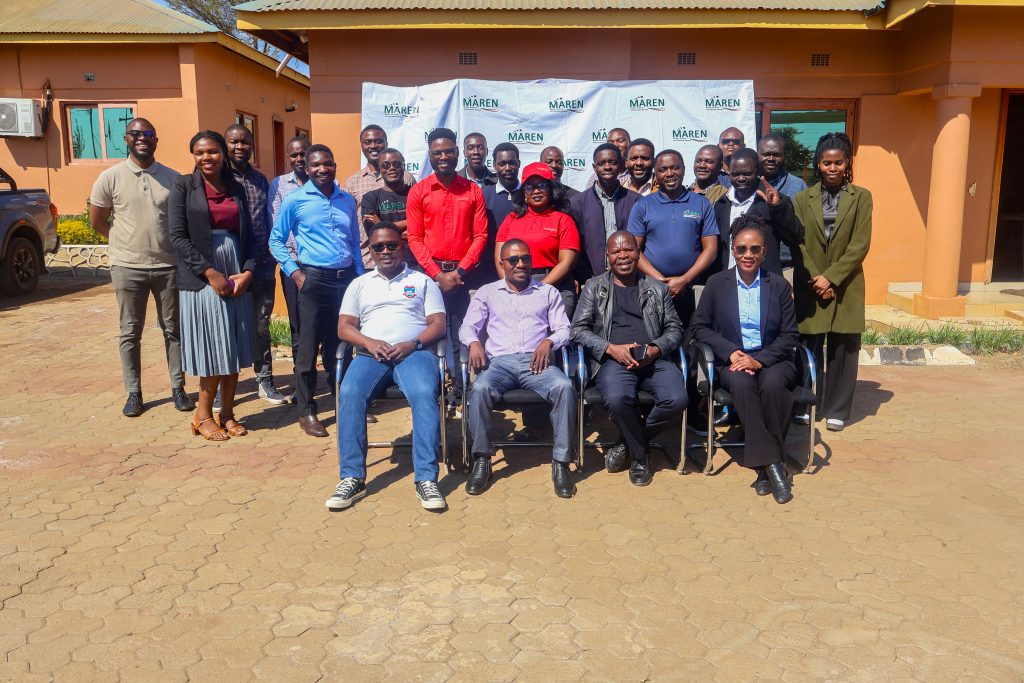
Held in Mponela, Dowa, the two-day workshop brought together ICT personnel from Mzuzu University, Malawi College of Accountancy, Nalikule College, Lilongwe University of Agriculture and Natural Resources (LUANAR), Kamuzu University of Health Sciences, the University of Livingstonia, and Malawi Assemblies of God University. Rather than simply listening to presentations, participants worked directly with the technologies they will use on their campuses.
Guided by MAREN’s Network Engineers, Trot Makasu and Mwayi Chatsika, participants assembled and disassembled solar-powered Wi-Fi equipment, learned how to mount and manage it, and gained practical experience using the tools that support its deployment.
The workshop also covered how to integrate the solar-powered Wi-Fi solution with eduroam, the secure Wi-Fi roaming service used by the global research and education community. Guided by MAREN Systems Engineer Grace Gausi, participants learned how to configure systems that verify user identities, manage user accounts, connect wireless access points to eduroam, and test the service to ensure students, lecturers, and researchers can securely access campus networks using their institutional credentials.
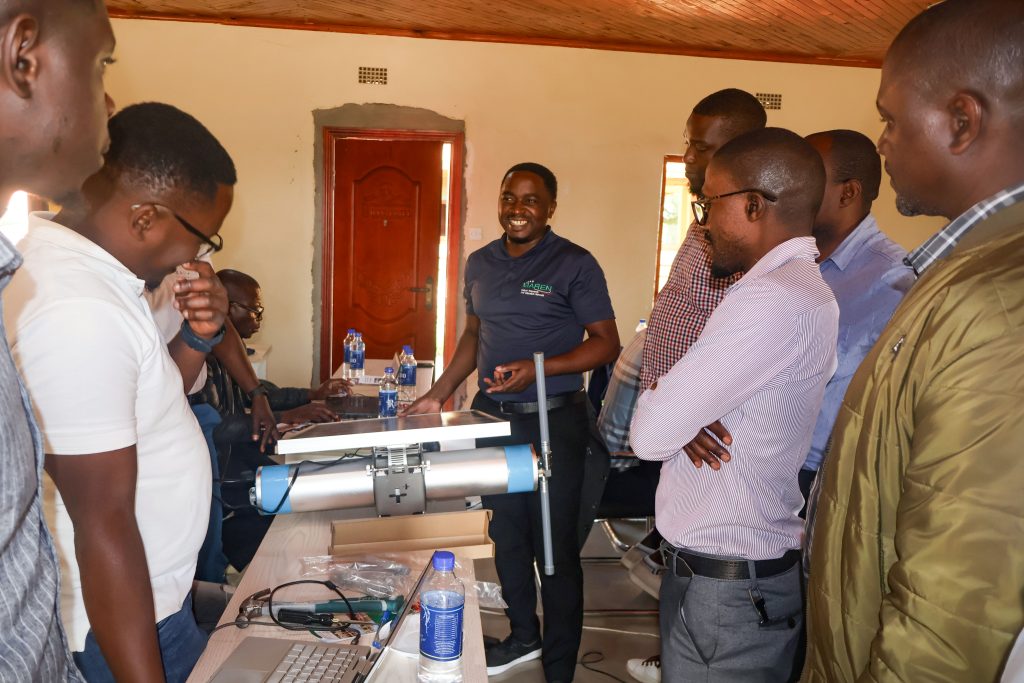
For many participants, the greatest value of the workshop was the confidence it built to manage these technologies within their own institutions.
“This workshop has equipped me with the practical skills to set up and manage the solar-powered Wi-Fi solution that will help keep students connected during power outages or fibre cuts. I have also gained valuable knowledge on managing eduroam services, helping us provide secure and seamless Wi-Fi access for students, lecturers, and researchers across campus.,” said Anganile Richard Mtukula, ICT Officer at Mzuzu University’s Karonga Open Distance and e-Learning Centre.
The training forms part of the ISOC Network Resilience Project, which is strengthening internet resilience across Malawi’s research and education institutions through the deployment of complementary solar-powered Wi-Fi and mobile broadband solutions. Together, these technologies are designed to keep campuses connected during power outages, fibre cuts, and other disruptions.
As the project continues to expand, participating universities are now better equipped to deploy and manage resilient connectivity solutions that support uninterrupted learning, research, and collaboration. In the end, the project’s success will not be measured only by the technology installed, but by the people empowered to keep it running.
MAREN and TERNET Strengthen Research and Education Through Peer Learning
“If you want to go fast, go alone. If you want to go far, go

MAREN helps shape Africa’s Internet future at continental summit
The future of Africa’s Internet is not decided when users connect to Wi-Fi. It is
