Imagine a lecturer, hours away from submitting an important research grant application. The proposal is ready, the deadline is approaching, but suddenly, the electricity fails. The internet connection disappears, putting a valuable funding opportunity at risk.
Elsewhere, an online lecture freezes mid-sentence. A student preparing for examinations loses access to essential learning resources. Research that knows no borders suddenly finds itself trapped behind a failed connection.
For Malawi’s higher education institutions, such disruptions raise an important question: must learning and research remain at the mercy of the electricity grid?
The Malawi Research and Education Network (MAREN) is working towards a different answer.
With support from the Internet Society Foundation (ISOC), MAREN is piloting solar-powered Wi-Fi infrastructure equipped with batteries capable of operating for up to 36 hours without recharging, helping campuses maintain connectivity during electricity outages.
But keeping a network powered is only part of the challenge. How does it know who is knocking at its door?
And if a student from Mzuzu University visits the Malawi University of Business and Applied Sciences, must they obtain new Wi-Fi credentials?
This is where eduroam and identity management come in, enabling authorised users to securely access Wi-Fi at participating institutions using their existing institutional credentials.
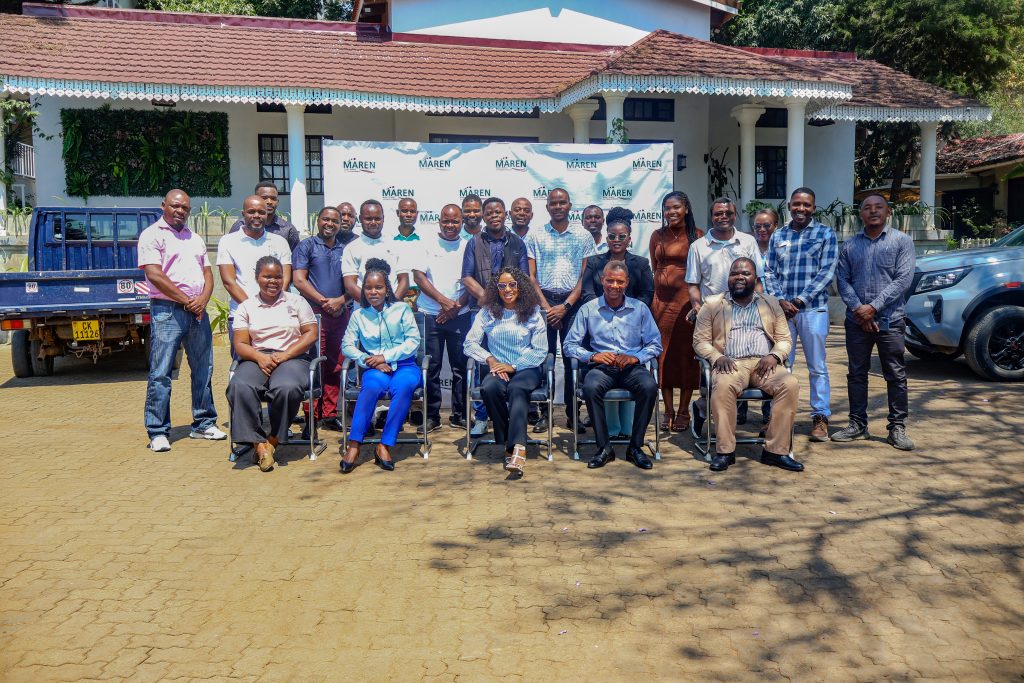
To equip institutions with the skills to manage these technologies, MAREN conducted practical training for ICT personnel from 13 institutions namely Malawi University of Business and Applied Sciences, University of Malawi, Soche Technical College, Mzuzu University, Malawi University of Science and Technology, Catholic University of Malawi, Malawi College of Distance Education, Domasi College of Education, DMI St. John the Baptist University, Kamuzu University of Health Sciences, Malawi College of Accountancy, Nasawa Technical College and Magomero Community College.
in Blantyre from 12 to 13 October 2026, ahead of the Southern Region rollout of its Network Resilience Pilot Project.
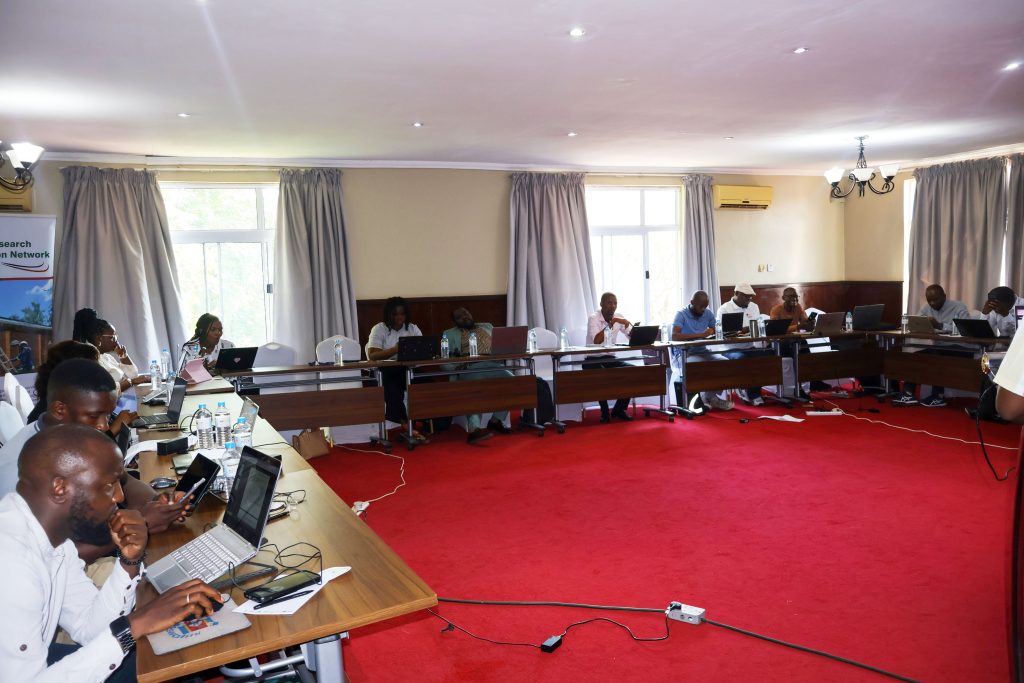
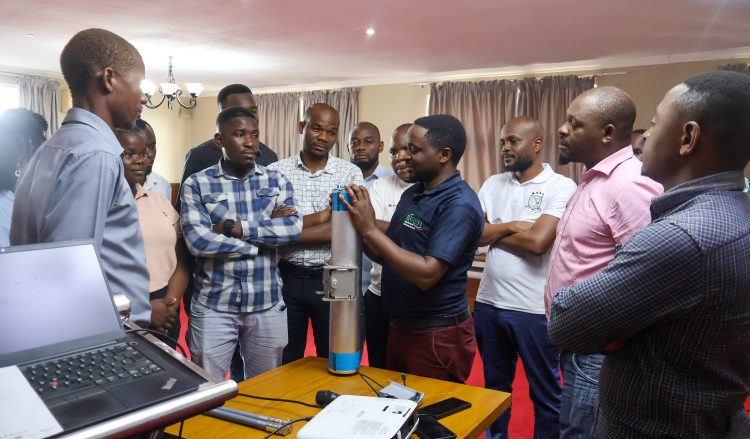
The first day focused on assembling, configuring and managing solar-powered Wi-Fi equipment, while the second covered eduroam configuration and identity management.
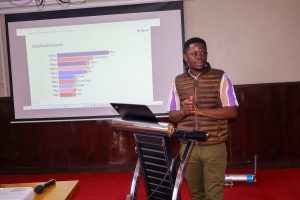
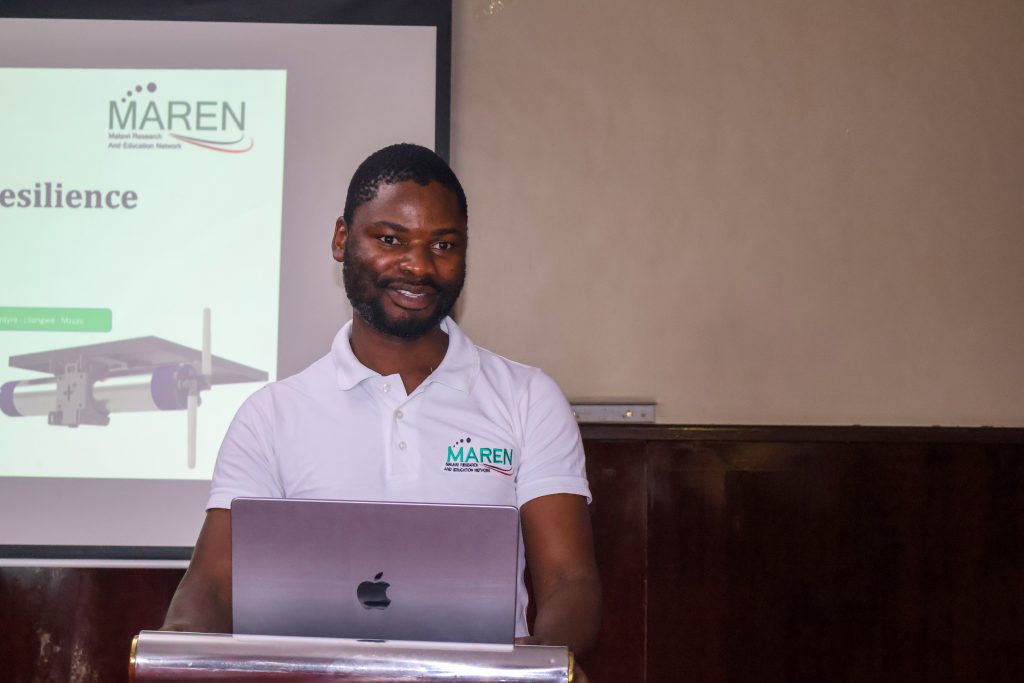
Explaining the project’s purpose, MAREN Networks and Infrastructure Manager Alexius Chipalamwazani said, “We still want connectivity to be there even when there is flooding and other natural disasters.”
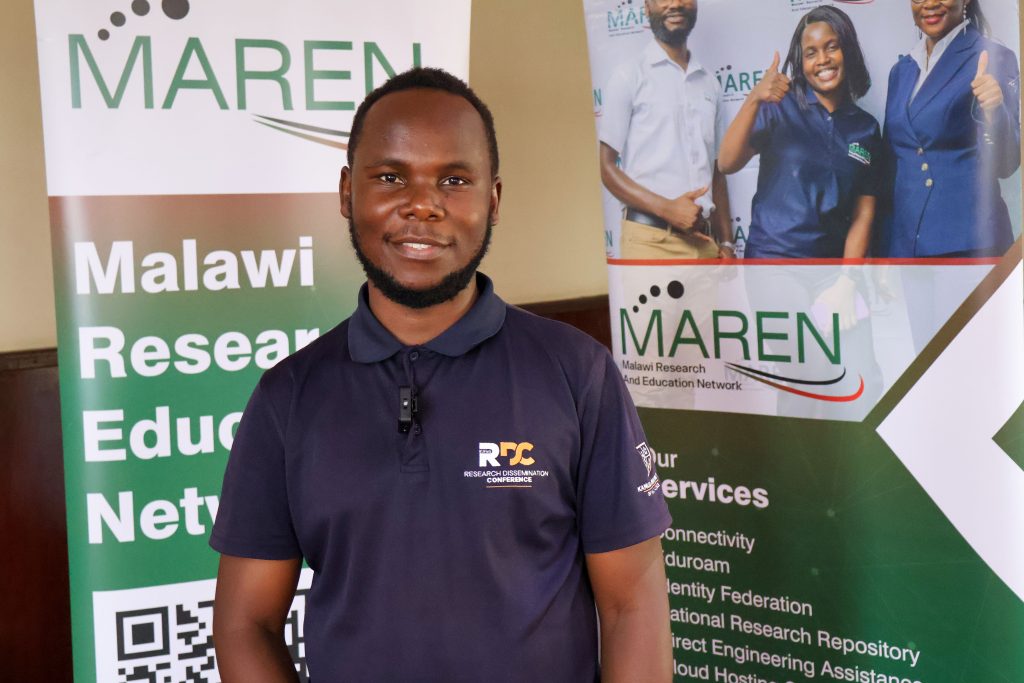
Joseph Emmanuel Phiri, ICT Officer at Kamuzu University of Health Sciences, expressed confidence in applying the skills acquired.
“We believe that as we are going back to our campuses to implement what we have learnt here, we are going to be the champions because we have first-hand information on how to operate the solar-powered equipment and configure eduroam,” he said.
As deployment approaches, MAREN is preparing institutions not only to receive resilient infrastructure but also to sustain it.
Because when the lights go out, learning should not have to stop.

MAREN Engineers Take Home-Grown Expertise to UC2026 Regional Stage
It starts with the work happening quietly behind the internet connections students, lecturers and researchers
MAREN and Librarians Build a Stronger Pathway for Malawi’s Research
Knowledge becomes more powerful when it can travel. For Malawi’s universities and research institutions, getting
