When the internet goes down on a university campus, learning, research, and critical operations which rely on internet grind to a halt.
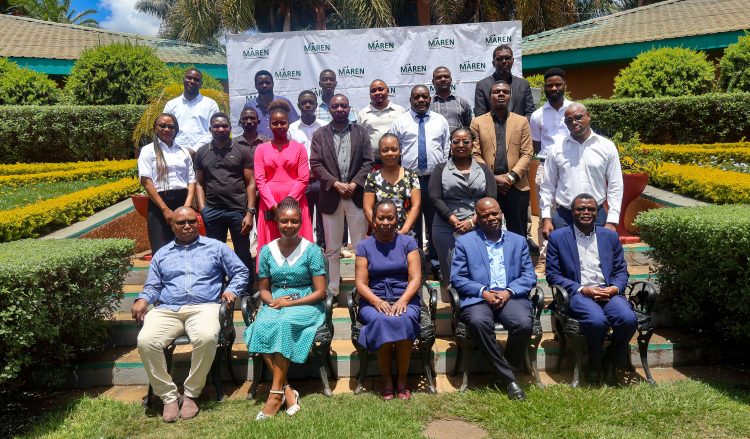
For many higher education institutions in Malawi, unpredictable power outages, fibre cuts, and natural disasters have made digital continuity an ongoing struggle. On 3 February 2026, the Malawi Research and Education Network (MAREN) convened university leaders and technical teams in Lilongwe to introduce the second phase of the Internet Society Foundation–funded Network Resilience Project, aimed at building resilient and sustainable internet infrastructure across universities in the Central Region. Participating institutions included Malawi College of Accountancy (Lilongwe Campus), Salima Technical College, Nkhoma University, Mzuzu University (Lilongwe Campus), Lilongwe University of Agriculture and Natural Resources, and Kamuzu University of Health Sciences.
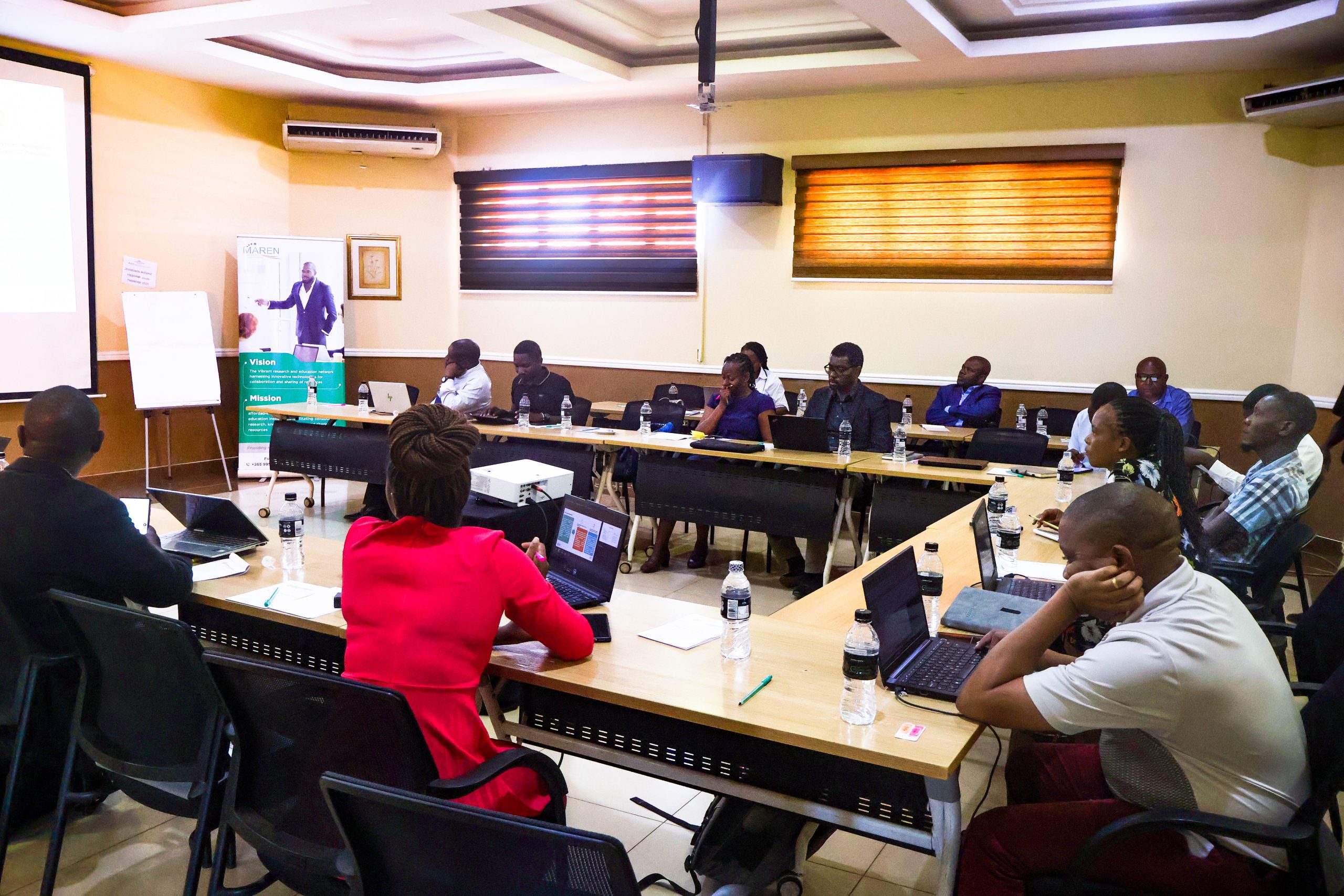
The project combines solar-powered Wi-Fi with mobile broadband connections, ensuring campuses remain connected even when grid electricity fails or fibre cables are damaged. It also aims to improve research collaboration, online learning, and institutional efficiency by minimizing network disruptions.
Universities welcomed the initiative as long overdue. Acting Deputy Registrar of KUHeS, Chiyamiko Chinkwita-Phiri, said the project addresses challenges in maintaining international partnerships and ensuring students uninterrupted education.
“We pride ourselves on being international. It is disgraceful to tell partners we don’t have network,” she said. “With continued connectivity, we expect improved learning, research, and better interaction between students and lecturers on and off campus.”
She also cited the Northern Region pilot, where MAREN restored connectivity after a fire in just 12 hours, as proof of the system’s effectiveness and scalability.
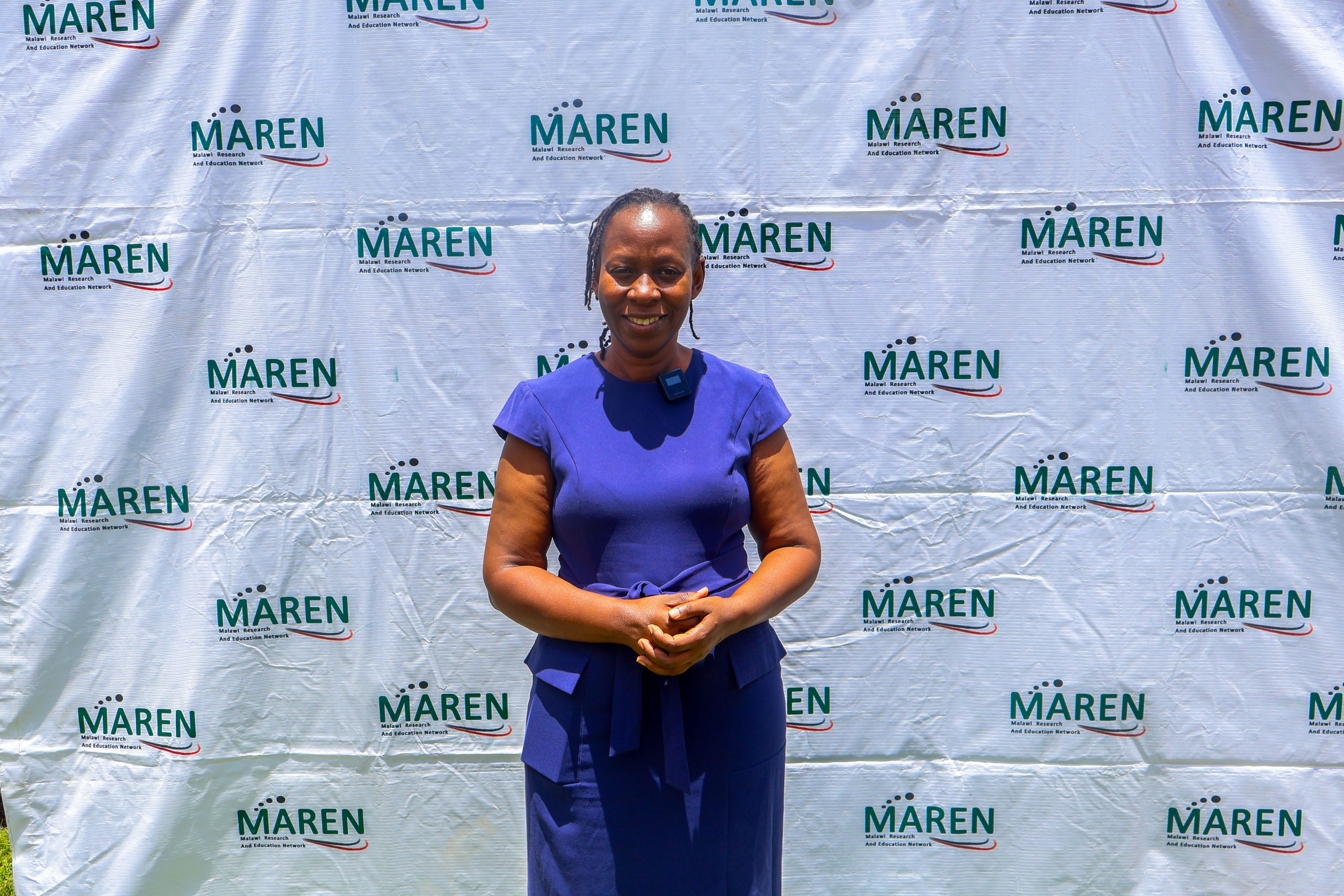
Similarly, Maxwell M’bweza, Registrar for LUANAR’s Bunda College, said the project arrives at a critical time.
“Over the past 3–4 years, blackouts and weak backup power have disrupted connectivity. This project will ensure stability. Learning will no longer be interrupted, and students and staff can achieve their goals with ease,” he said.
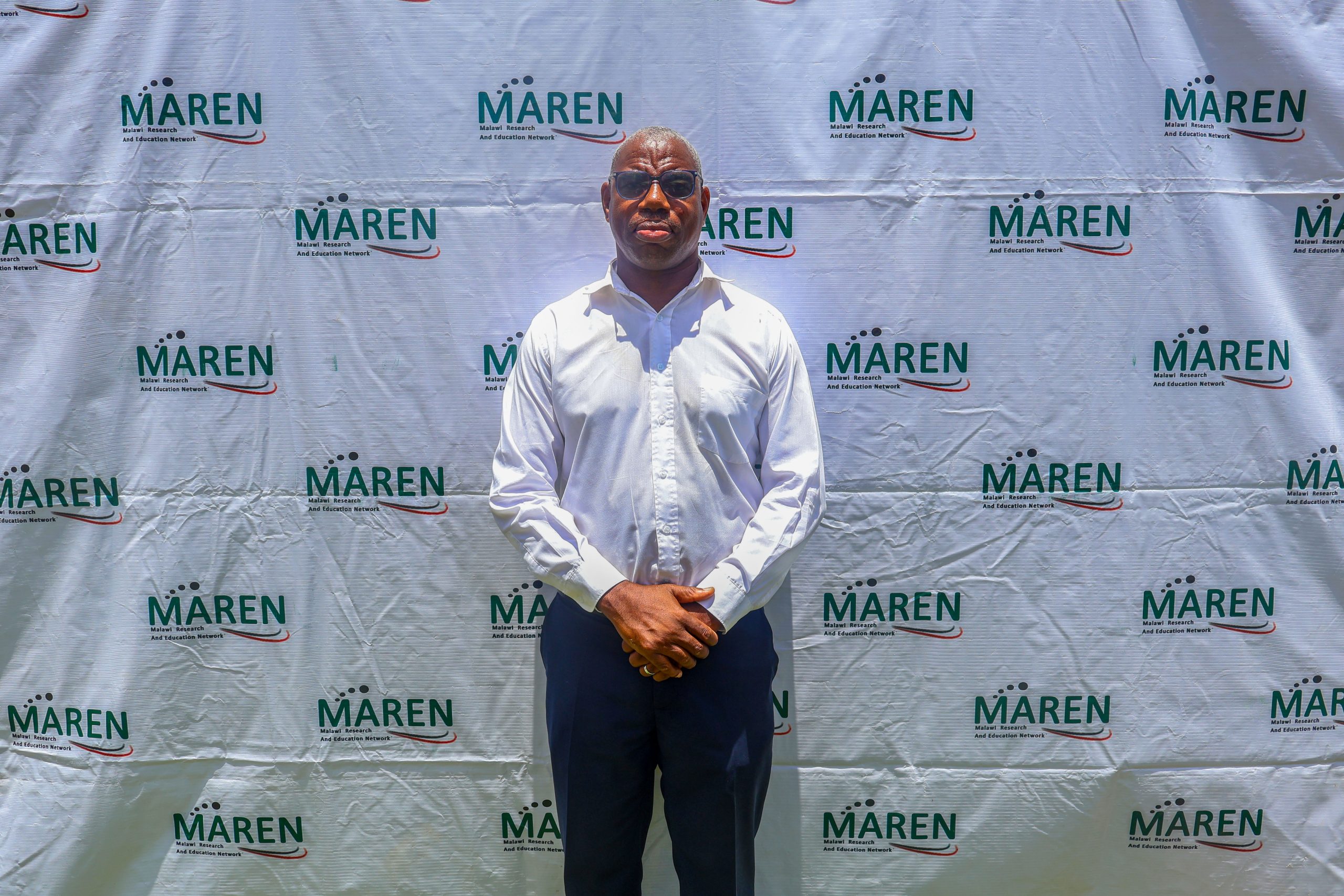
MAREN leadership highlighted the national context behind the project. CEO Solomon Dindi explained that unreliable power and fibre cuts have repeatedly disconnected campuses, restricting access to online resources.
“Whether there is power or no power, fibre or no fibre, learning must continue,” he said. “This solution ensures seamless access to online resources whenever students need them.”
Ulemu Maseko, MAREN’s Projects and Partnerships Coordinator, added that the project will enhance teaching, research, and global collaboration for institutions across the Central Region.
“Students will have uninterrupted connectivity. Lecturers can teach, researchers can work online, and institutions can operate without fearing outages,” she said.

With Phase Two now underway, MAREN is poised to scale this solution nationwide, building on the success of the Northern Region pilot. The initiative promises a more resilient, reliable, and equitable digital infrastructure, ensuring that for Malawi’s universities, learning and research never stop—even when the power does.

MAREN Engineers Take Home-Grown Expertise to UC2026 Regional Stage
It starts with the work happening quietly behind the internet connections students, lecturers and researchers
MAREN and Librarians Build a Stronger Pathway for Malawi’s Research
Knowledge becomes more powerful when it can travel. For Malawi’s universities and research institutions, getting
