A village without an internet connection cannot run a speed test. So how can we make sure it is considered when decisions are made about expanding internet access?
Speed tests show how well existing internet connections work, while data from online applications shows how people use digital services. However, both speed tests and online application data depend on people who are already connected to the internet. This means communities without internet access are largely missing from these sources of information. So how can policymakers and internet service providers determine what is preventing these communities from getting online?
In one village, poor mobile coverage may require a new tower or stronger network signals. In another, the signal may reach homes, but families cannot afford smartphones or internet data. Elsewhere, people may lack the digital skills needed to use online services. Each barrier calls for a different response, and deciding what intervention is appropriate requires evidence about the challenges communities face.
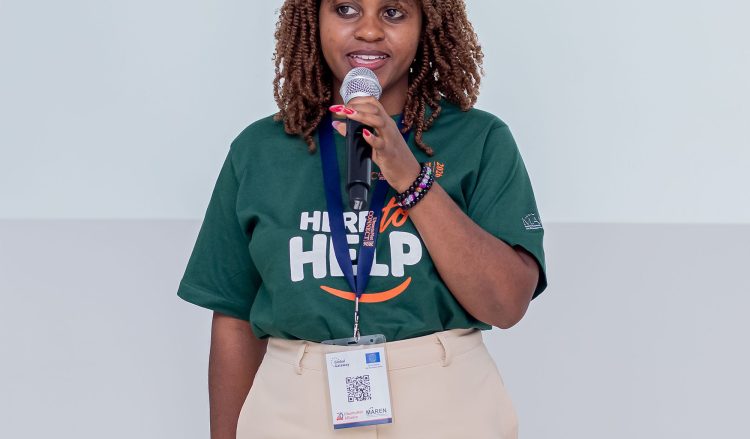
This challenge is at the heart of Digital Bridges, a free, open-source innovation co-developed by Rexa Mphuwa, Infrastructure Engineer at the Malawi Research and Education Network (MAREN), and her colleague, Victoria Kankhokwe. Rexa leads the project, which has been shortlisted for the upcoming ICT Association of Malawi (ICTAM) Innovation Awards.
Digital Bridges combines data on mobile network coverage, electricity access, household socioeconomic indicators and rurality to assess potential barriers to internet access across Malawi’s 28 districts. Through a colour-coded map, the tool highlights differences between districts, identifies likely connectivity challenges and suggests possible interventions.
The innovation provides policymakers, regulators and development partners with additional evidence to inform digital inclusion policies and programmes. It also offers researchers an opportunity to examine disparities in internet access and can support broader discussions about infrastructure development and investment priorities.
The recognition follows another milestone for Rexa. Her research paper, Leveraging AI and Open Threat Intelligence to Maximise Cyber Resilience in African Research and Education Networks, was accepted for presentation at UbuntuNet-Connect 2026, held in October.
Congratulations, Rexa, on this achievement and your continued contribution to research and technological innovation!
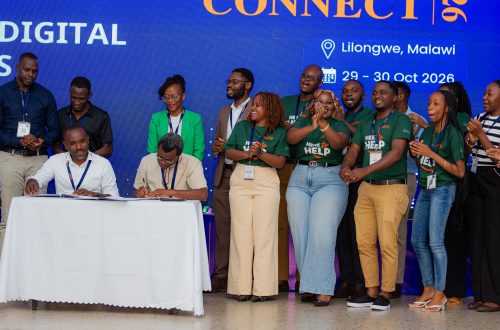
Ubuntu in Action: MAREN and RENU Sign MoU to Advance Research and Education in Africa!
Two countries. Different borders. Shared challenges. One vision. Malawi and Uganda may be separated by
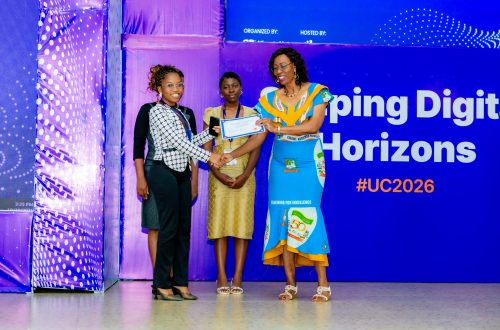
Malawi Makes Second at the UC2026 Women Hackathon
March 2023. Southern Malawi. Cyclone Freddy strikes. Homes are destroyed, communities are displaced, and families
