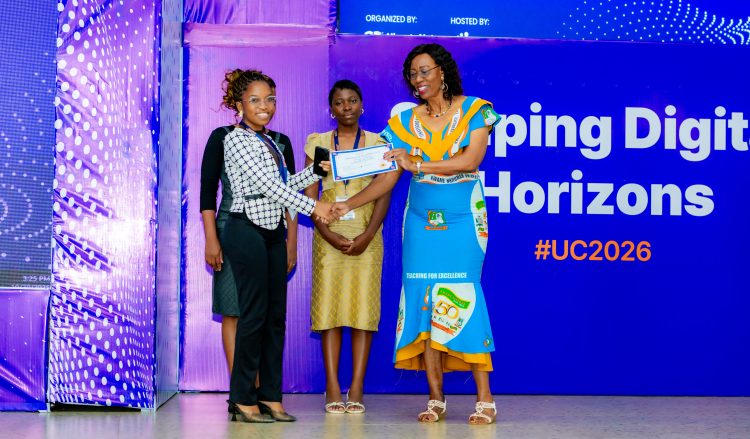
March 2023. Southern Malawi.
Cyclone Freddy strikes.
Homes are destroyed, communities are displaced, and families are left desperately searching for safety. By the time the devastation unfolds, 679 lives are lost, over 600,000 people are displaced, and countless families are left struggling to recover.
At the time, Prisca Kaliati, Charity Kampanje and Alice Mandalasi are students at the Malawi University of Business and Applied Sciences (MUBAS).
Amid the devastation, they recognise a critical challenge: when disasters strike, communities often turn to WhatsApp, Facebook and other social media platforms to call for help. Yet these messages can take hours to reach authorities responsible for responding.
Meanwhile, environmental hazards such as illegal logging, polluted streams and dumped waste often go unreported, despite their potential to worsen future disasters.
The three students are determined to find a solution.
Three years later, they are graduates, and that determination has taken shape in GreenLens, an AI-powered platform designed to transform how communities report environmental hazards, how authorities respond and how information can be used to prevent future disasters.
GreenLens enables residents to report environmental hazards through a web platform or USSD, including from basic mobile phones without internet access. The system is designed to help district authorities prioritise incidents, coordinate responses and identify recurring risks.
But its most distinctive feature goes beyond responding to emergencies. Instead of allowing information to disappear once an incident is resolved, GreenLens preserves reports to help identify recurring environmental threats and inform future prevention plans.
“We cannot change what happened during Cyclone Freddy, but we can use the lessons from that disaster to prepare for the future. Our goal is to ensure that environmental risks are reported, documented and acted upon before they turn into disasters,” said Prisca Kaliati, a member of Team GreenLens.
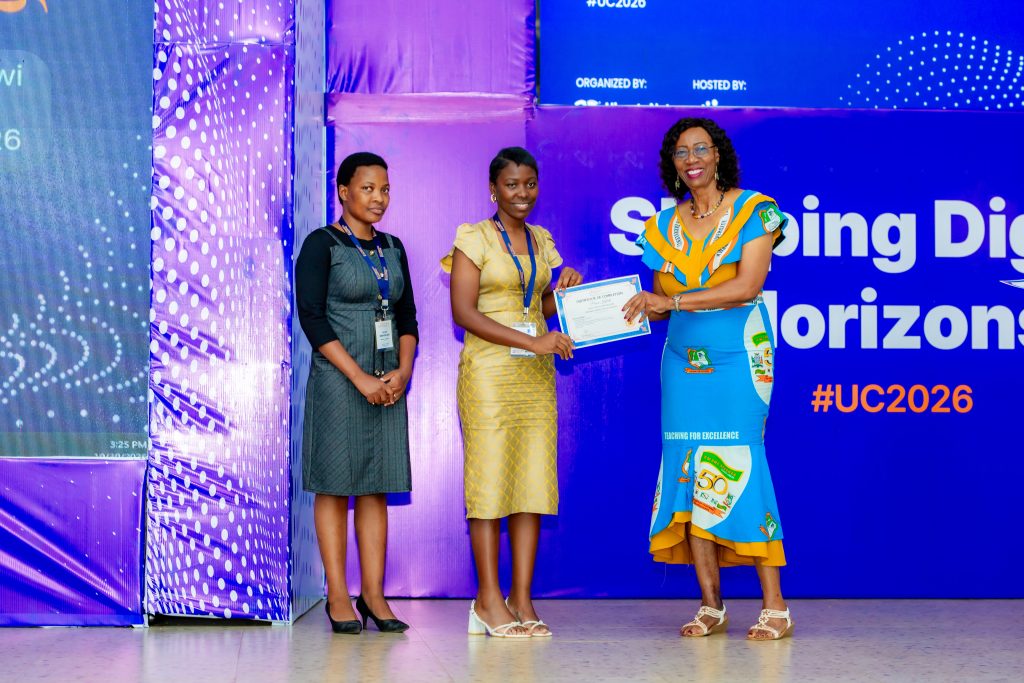
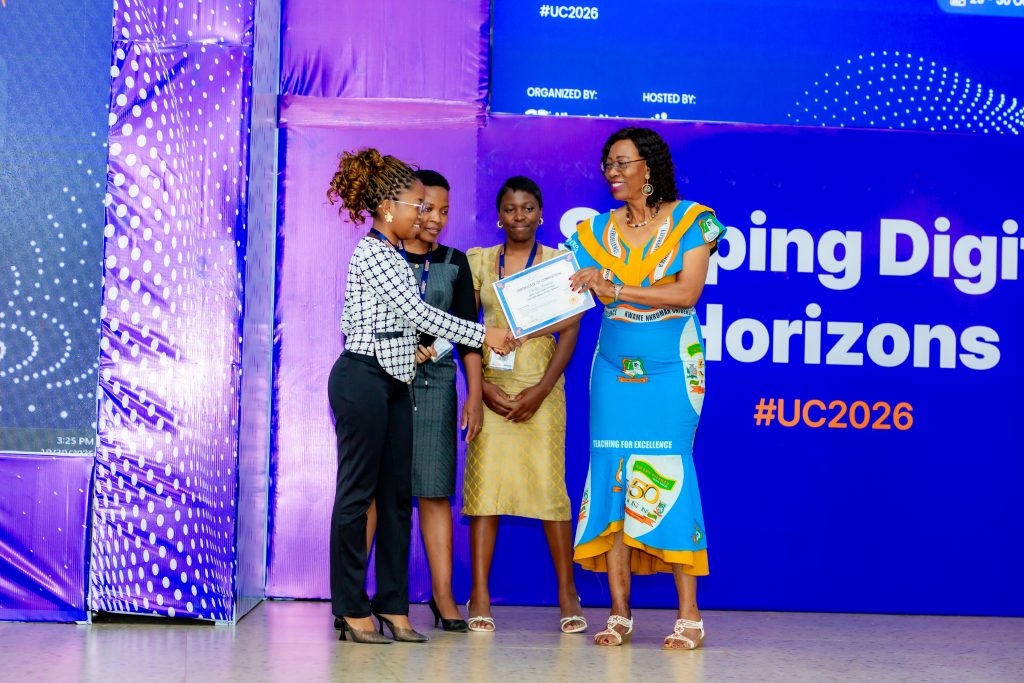
Today, that innovation has earned Malawi second place out of 123 submissions at the UbuntuNet Alliance Women Hackathon 2026!
For the Malawi Research and Education Network (MAREN), host of the 19th UbuntuNet-Connect Conference (UC2026) in Lilongwe, this achievement is a proud moment for Malawi and a demonstration of how women-led technological innovation can contribute to addressing climate-related challenges.
In 2023, they were university students determined to respond to a national tragedy. In 2026, they are graduates whose innovation has earned recognition on a regional stage.
Congratulations to Team GreenLens — Prisca Kaliati, Charity Kampanje and Alice Mandalasi! You have made Malawi and your alma mater, the Malawi University of Business and Applied Sciences (MUBAS), proud!
Beyond Connectivity: Africa Comes Together to Shape Its Digital Future
Two decades ago, African universities and research institutions faced a common challenge: expensive internet connectivity,
Beyond Power Outages: MAREN Equips Southern Region Institutions for Resilient, Seamless Campus Connectivity
Imagine a lecturer, hours away from submitting an important research grant application. The proposal is
