Two decades ago, African universities and research institutions faced a common challenge: expensive internet connectivity, limited access to global research resources and barriers to international academic collaboration.
Recognising that no country could overcome these challenges alone, research and education leaders from Malawi, Kenya, Mozambique, Rwanda and South Africa came together in 2006 to establish the UbuntuNet Alliance, a regional research and education networking organisation dedicated to bridging the digital divide through affordable, high-speed connectivity and collaboration.
What began as a shared ambition to connect African institutions to the global research community grew into a regional movement for digital transformation, with the UbuntuNet Alliance now comprising 17 member NRENs across 17 countries. Through the annual UbuntuNet-Connect Conference, National Research and Education Networks (NRENs) and their partners have continued to convene, bringing together participants from the Alliance’s 17 member countries to exchange knowledge, explore emerging technologies and develop solutions to challenges facing research and education across Africa.
Two decades later, that conversation has returned to Malawi.
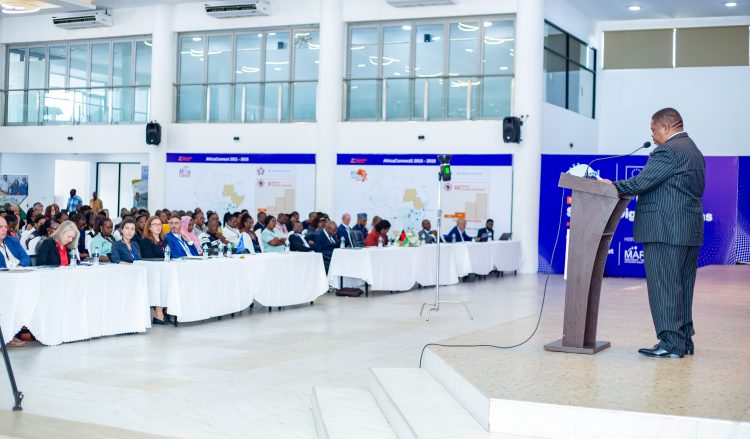
On 29 October 2026, the 19th UbuntuNet-Connect Conference (UC2026) officially opened at the Pearl Convention Centre in Lilongwe.
Organised by the UbuntuNet Alliance and hosted by the Malawi Research and Education Network (MAREN), the conference brought together regional and international stakeholders under the theme “Shaping Digital Horizons.”
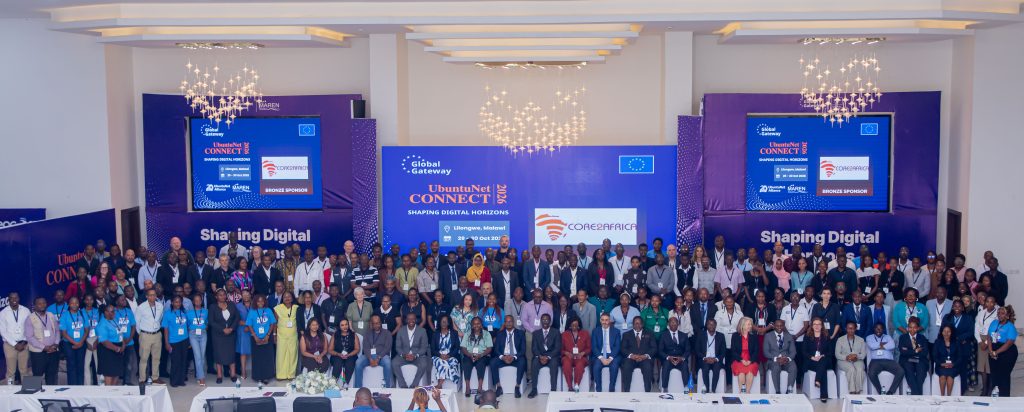
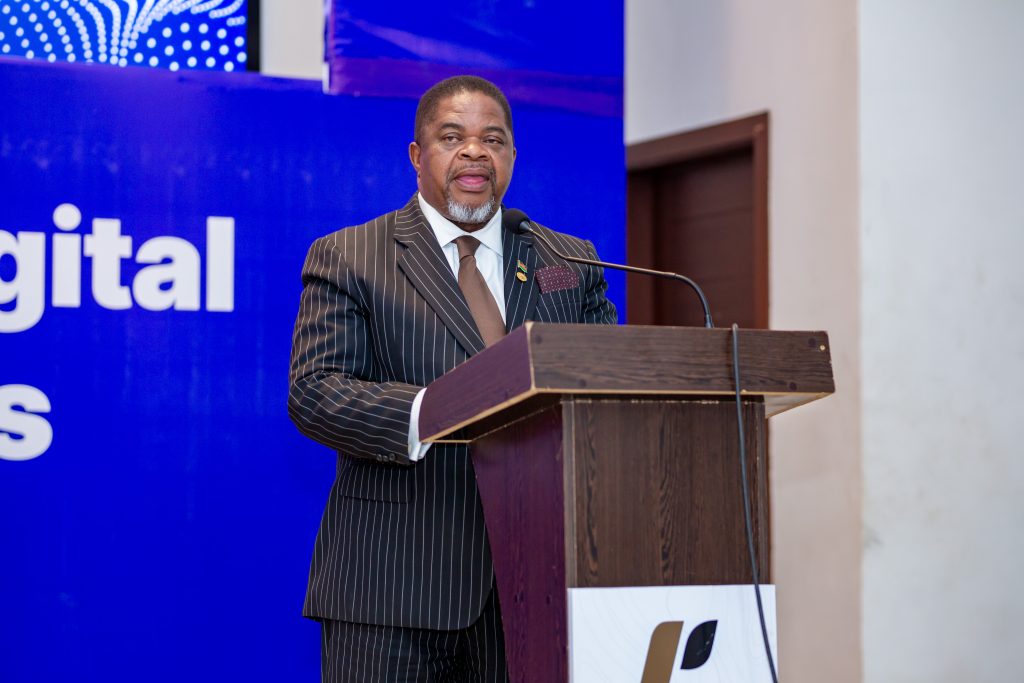
The opening ceremony featured remarks from Hon. Bright Msaka, SC, Minister of Education, Science and Technology, who officially opened the conference; Dr Ken Ndala, Secretary for Education, Science and Technology and MAREN Board Chair; Mr Solomon Dindi, MAREN Chief Executive Officer; Prof. Hellicy Ng’ambi, UbuntuNet Alliance Board Chair; H.E. Ambassador Daniel Aristi-Gaztelumendi, Head of the European Union Delegation to Malawi; and Lise Fuhr, Chief Executive Officer of GÉANT.
Officially opening the conference, Hon. Bright Msaka emphasised that Africa’s digital transformation requires deliberate investment in infrastructure, research and innovation.
“Our digital future is not something that will simply happen to us. We must shape it ourselves, and that begins with deliberate investments in people, digital infrastructure, scientific research and innovation to drive national development,” he said.
The Minister also recognised MAREN’s contribution to Malawi’s digital transformation and highlighted government plans to connect 2,000 primary and secondary schools under the World Bank-supported Digital Malawi Acceleration Project, with MAREN expected to play a central role.
Reflecting on the Alliance’s 20-year journey, Prof. Hellicy Ng’ambi recalled the shared ambition that inspired African research and education leaders to confront the digital divide.
“Twenty years ago, African academic leaders came together to establish a regional network that would bridge the digital divide and expand access to global research and education opportunities,” she said.
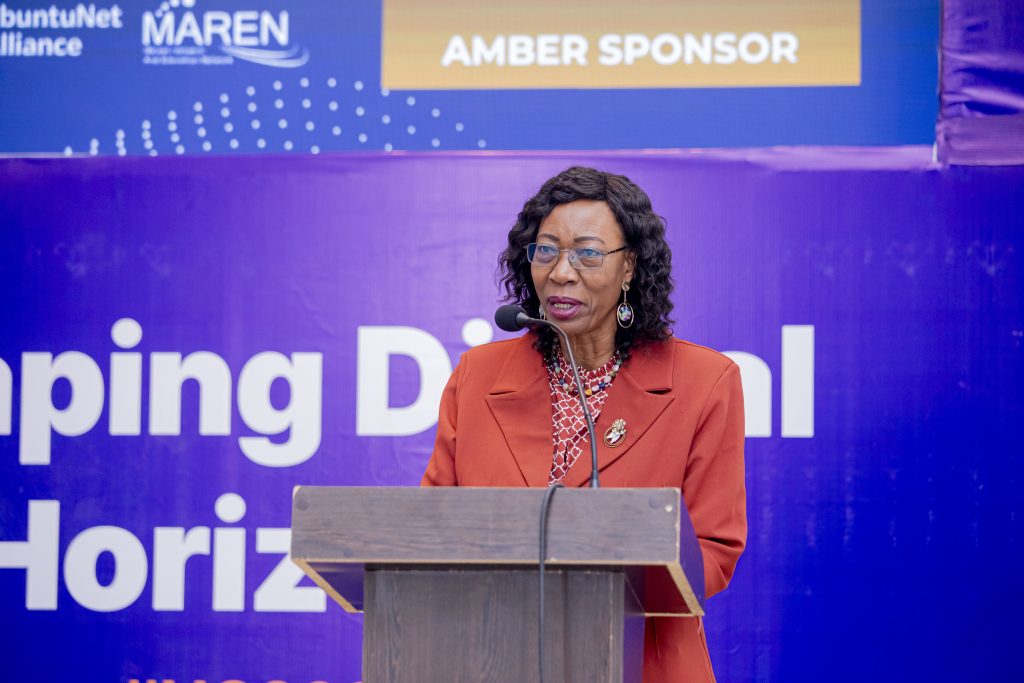
She highlighted how regional initiatives such as AfricaConnect and cross-border connectivity projects have helped transform that vision into digital infrastructure supporting research and education across Africa.
Reinforcing the importance of regional cooperation, H.E. Ambassador Daniel Aristi-Gaztelumendi, Head of the European Union Delegation to Malawi, drew on an African proverb:
“If you want to go fast, go alone. If you want to go far, go together.”
He highlighted the European Union’s contribution to strengthening African research and education networks through AfricaConnect and commended MAREN for advancing digital infrastructure with support from the Government of Malawi.
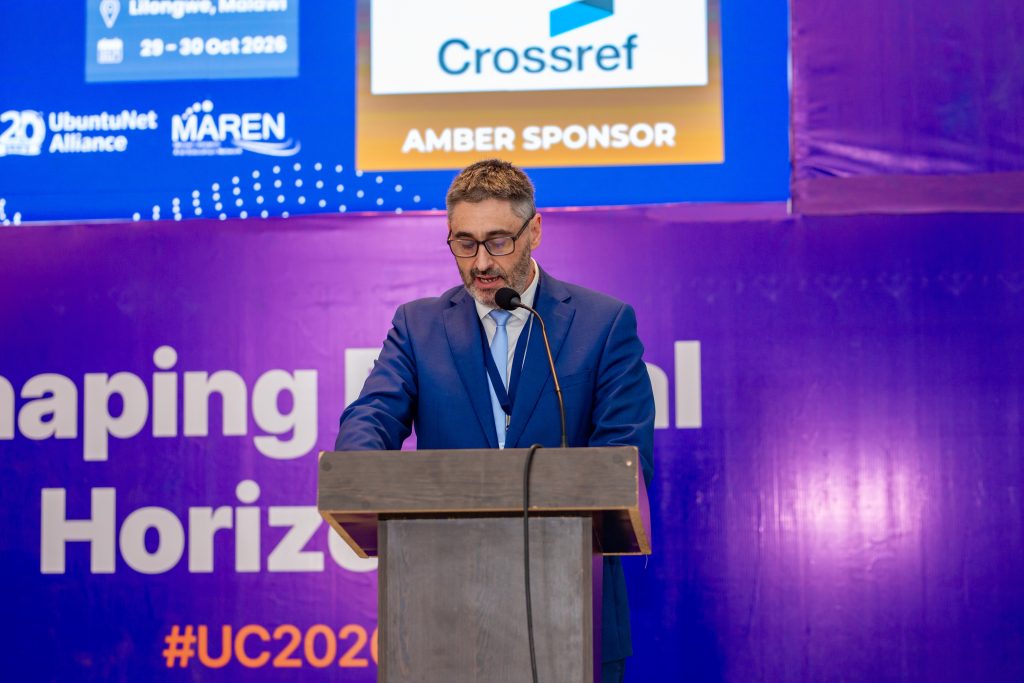
For MAREN Chief Executive Officer Solomon Dindi, the conference offered an opportunity to strengthen partnerships and explore practical ways of addressing the evolving digital needs of Africa’s research and education institutions.
“The digital horizons before us are shaped by what we choose to do together,” he said.
He emphasised that the value of research and education networks extends beyond providing connectivity to creating opportunities for students to learn, researchers to discover and institutions to collaborate.
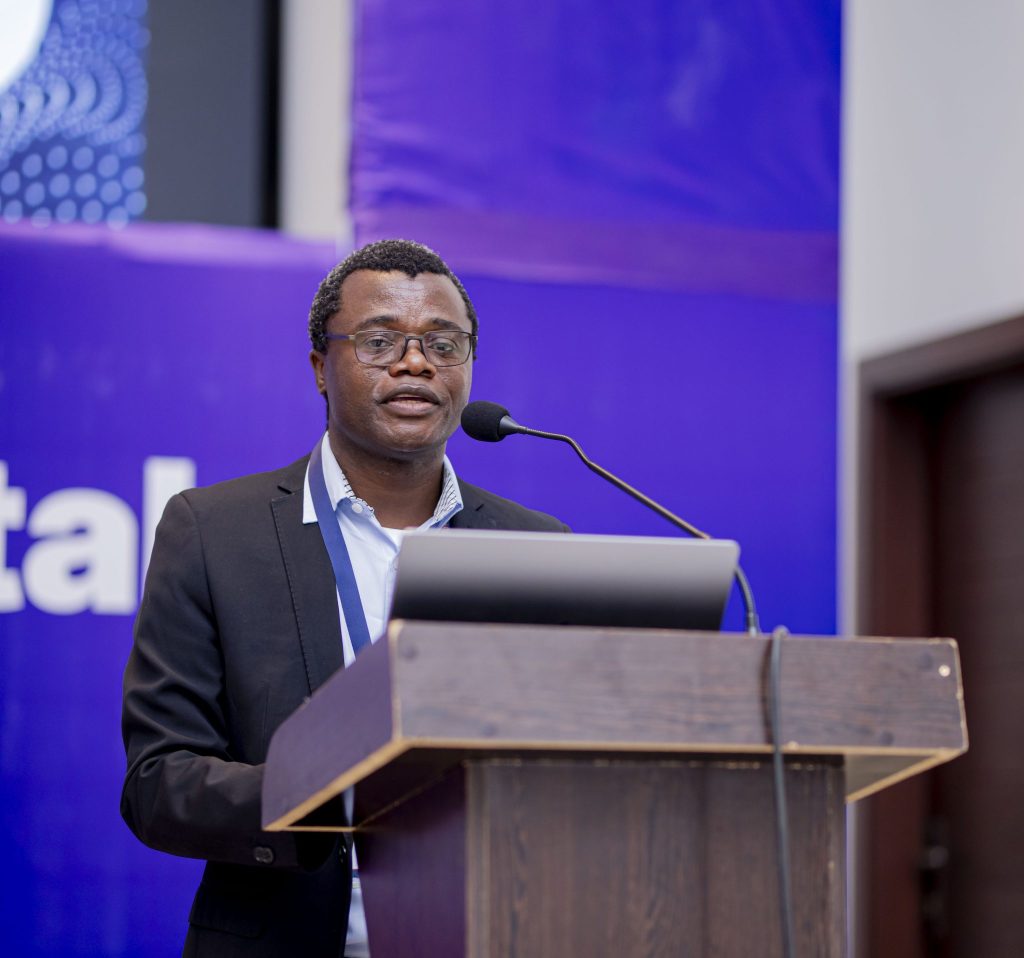
The opening discussions also highlighted regional cooperation, investment in digital infrastructure, internet governance and the role of NRENs in advancing scientific discovery, innovation and digital transformation.
For MAREN, hosting UC2026 reflects its contribution to this shared regional vision. Through affordable connectivity, eduroam, identity federation and High-Performance Computing, MAREN is helping research and education institutions in Malawi move beyond internet access towards greater opportunities for learning, discovery and collaboration.
Twenty years ago, Africa chose to connect. Today, it is shaping what those connections can achieve.
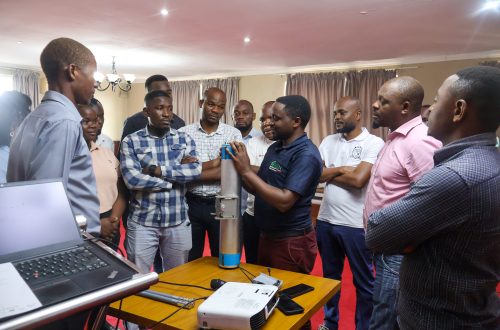
Beyond Power Outages: MAREN Equips Southern Region Institutions for Resilient, Seamless Campus Connectivity
Imagine a lecturer, hours away from submitting an important research grant application. The proposal is
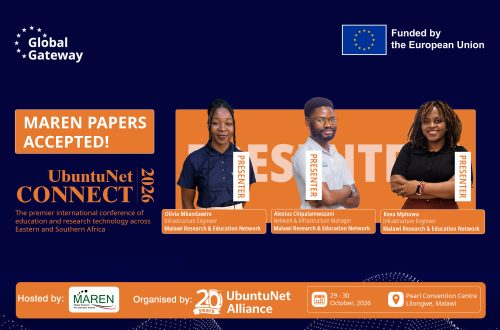
MAREN Engineers Take Home-Grown Expertise to UC2026 Regional Stage
It starts with the work happening quietly behind the internet connections students, lecturers and researchers
