Introduction
Mobile devices are widely used in research and education environments for communication, accessing institutional email, managing research collaboration tools, and storing important files. However, they can also become targets for malware. One example is Android.Hummer, a type of mobile malware that secretly takes control of infected Android devices and performs malicious activities without the user’s knowledge. Understanding how it spreads and recognizing the warning signs can help protect your
personal and institutional data.
What is Android.Hummer?
Android.Hummer is a type of harmful software, or “malware,” that specifically targets phones and tablets running the Android operating system. Think of it as a small, unwelcome program that secretly gets onto your device. The main purpose of this malware is to make money for its creators by doing things
without your permission, like:
a) Showing you unwanted ads (short for advertisements),
b) Secretly downloading and installing other apps, or
c) Generating fake clicks to make money for attackers.
How Android.Hummer Infects Devices:
This malware is tricky and usually gets onto a device through these methods:
a) Installing Apps from Untrusted Sources:
Many infections occur when users download and install apps from unofficial websites or third-party app stores instead of trusted platforms like Google Play. These apps may appear legitimate but contain hidden malware.
b) Fake or Modified Applications
Attackers sometimes create modified versions of popular apps (games, utilities, media apps) that include malicious code.When installed, the malware activates silently in the background.
c) Harmful Links, Ads and Downloads
Sometimes, simply clicking on suspicious advertisements, pop-ups, or links found in emails, text messages, or on untrusted websites can lead to downloads of infected files.
d) Unsafe Device Settings
Enabling options like “Install apps from unknown sources” increases the risk of installing malware unknowingly. Once infected, Android.Hummer is very difficult to remove because it embeds itself deep
within the device’s operating system
Signs Your Android Device May Be Infected
If your device is suddenly behaving strangely, look for these warning signs.
Here are the signs your device might be compromised:
| Sign | Description |
|---|---|
| Excessive ads | You see non-stop pop-up ads, sometimes covering the entire screen, even when you aren’t using a specific app. |
| New, unknown apps | Apps appear on your device that you definitely did not download or authorize. |
| Rapid battery drain | Malware running in the background can cause the battery to drain unusually fast, even if you are barely using the device. |
| Slow performance | The phone or tablet starts running sluggishly, freezing, or crashing much more often than before. |
| Unusually high data usage | Mobile data usage increases significantly because the malware is constantly sending and receiving information without your knowledge. |
How to Reduce the Risk
Protecting your device protects institutional networks and data. Follow these simple steps:
- Install apps only from trusted app stores. Avoid “side-loading” apps from untrusted sources.
- Review app permissions before installing
- Review before you download, read recent user reviews before installing a new app
- Keep your device and apps updated. Updates often contain critical security patches.
- Install a trusted security app to regularly scan your device for threats.
- Remove apps you do not recognize
- Avoid clicking suspicious links in messages, particularly if they are unexpected or from an unknown sender.
Remember
Mobile devices often connect to institutional email, research platforms, and cloud services. A compromised phone can expose sensitive information. If you notice any suspicious activity with your phone, disconnect from institutional services (or network) and report the issue to your ICT or security team for assistance. Staying cautious with downloads and apps helps protect both personal and institutional data.

Maren Ceo, Mr. Solomon Dindi Appointed to Afrinic Nomination Committee for 2026 Elections
We are pleased to announce that the AFRINIC Board has appointed Mr. Solomon Dindi, CEO
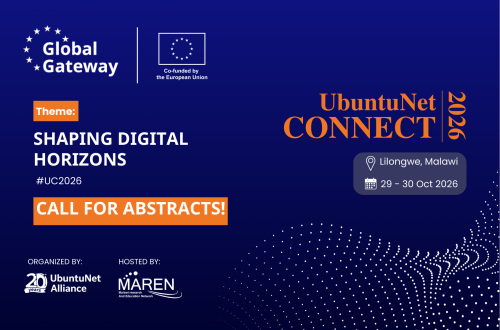
Call for Abstracts Now Open – UbuntuNet-Connect 2026
The Malawi Research and Education Network (MAREN), and UbuntuNet Alliance are pleased to announce the
