The future of Africa’s Internet is not decided when users connect to Wi-Fi. It is shaped in policy rooms where technical experts, network operators and Internet institutions determine how the continent’s networks remain secure, resilient and ready for the future.
Last week, the Malawi Research and Education Network (MAREN) was in one of those rooms, ensuring that the interests of Malawi’s research and education community were represented in conversations that will influence the future of Internet connectivity across Africa.
MAREN participated in the Africa Internet Summit 2026, held in Nairobi, Kenya, from 22 to 26 June. Organised by AFRINIC in partnership with the African Network Operators Group, the Internet Society and the Internet Corporation for Assigned Names and Numbers, the summit brought together network engineers, policymakers, regulators, academics, and industry leaders from across the continent to discuss the policies, technologies and partnerships shaping Africa’s digital future.
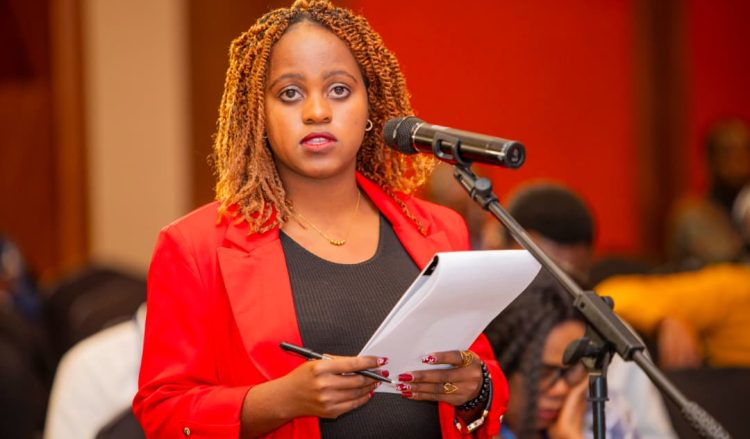
Representing MAREN was Infrastructure Engineer Rexa Mphuwa, who not only participated in discussions on Internet policy and emerging technologies but also shared the organisation’s practical approach to improving Internet routing security during a technical knowledge-sharing session. MAREN’s presentation drew interest from network operators across Africa, with several seeking to learn more about the solution after the session, an acknowledgement that the organisation’s expertise is contributing to stronger and more resilient networks beyond Malawi.
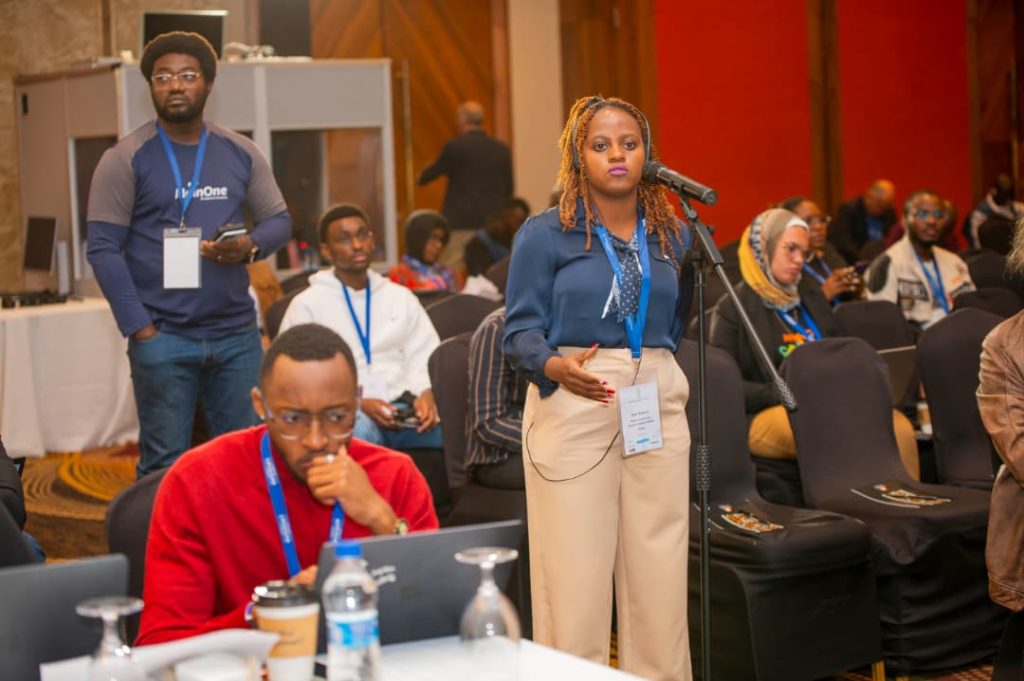
For MAREN, the summit was more than an opportunity to exchange knowledge. It was a chance to influence decisions that directly affect the Internet services relied upon by Malawi’s universities and research institutions. Discussions explored the future management of Internet resources, stronger network security, wider adoption of next-generation Internet technologies and preparations for emerging cybersecurity challenges. These are issues that will shape how research and education institutions connect, collaborate and innovate in the years ahead.
Reflecting on the experience, Mphuwa said the summit reinforced MAREN’s role beyond providing connectivity.
“This experience reshaped how I see MAREN’s role, not just as a connectivity provider, but as an active participant in shaping Africa’s Internet policy. The knowledge, partnerships and opportunities gained will ultimately benefit our universities and research institutions, and highlight the importance of National Research and Education Networks having a voice where these decisions are made.”
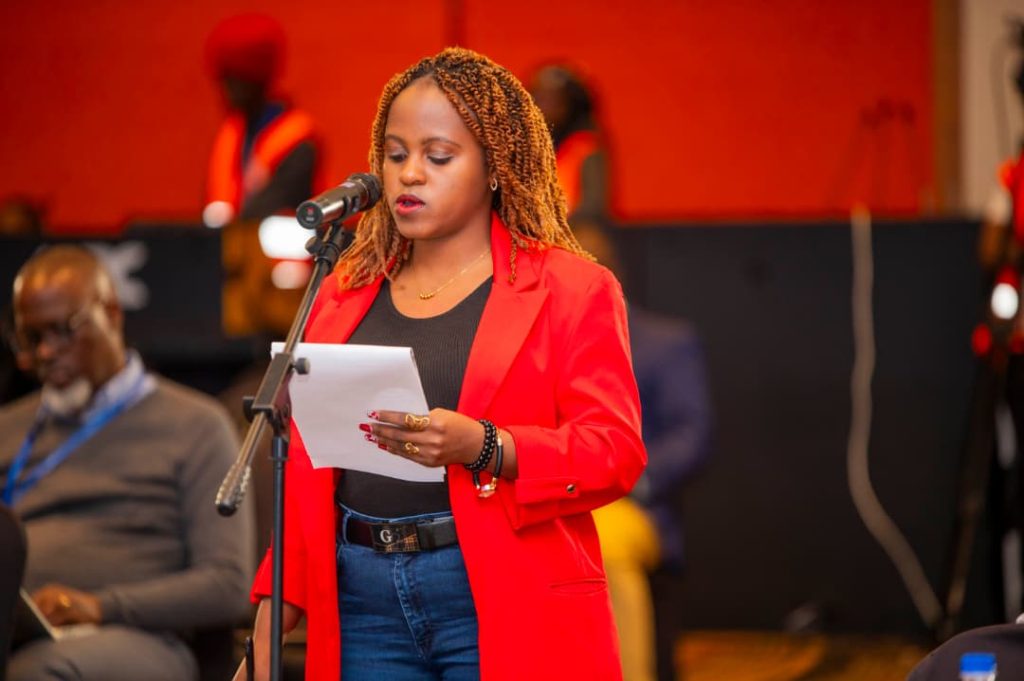
As higher education and research become increasingly dependent on digital infrastructure, MAREN’s participation demonstrates that building a stronger Internet is about more than technology. It is about ensuring Malawi has a voice in the decisions that shape the future of connectivity, bringing global expertise home and translating it into better services for the country’s research and education community.

MAREN Engineers Take Home-Grown Expertise to UC2026 Regional Stage
It starts with the work happening quietly behind the internet connections students, lecturers and researchers
MAREN and Librarians Build a Stronger Pathway for Malawi’s Research
Knowledge becomes more powerful when it can travel. For Malawi’s universities and research institutions, getting
