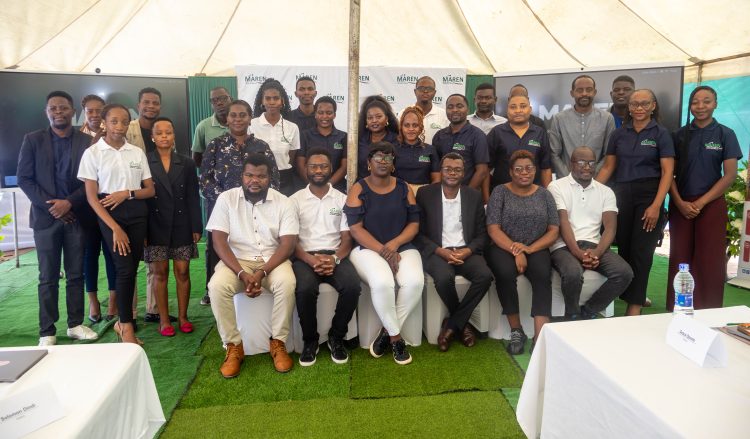
The Malawi Research and Education Network (MAREN) on 24 April 2026 hosted its inaugural Media Engagement at its Head Office in Zomba, bringing together journalists from ten of Malawi’s leading media houses including Times Television, MBC, Zodiak Broadcasting Station, Mibawa Television, National Publications, MIJ FM, Capital FM, Chanco Radio and Chanco TV, Luntha Television, and YONECO FM. Through presentations, live demonstrations, and interactive exhibitions, the engagement gave the media a comprehensive and direct account of MAREN’s work in digital infrastructure, cybersecurity, research visibility, and institutional connectivity.
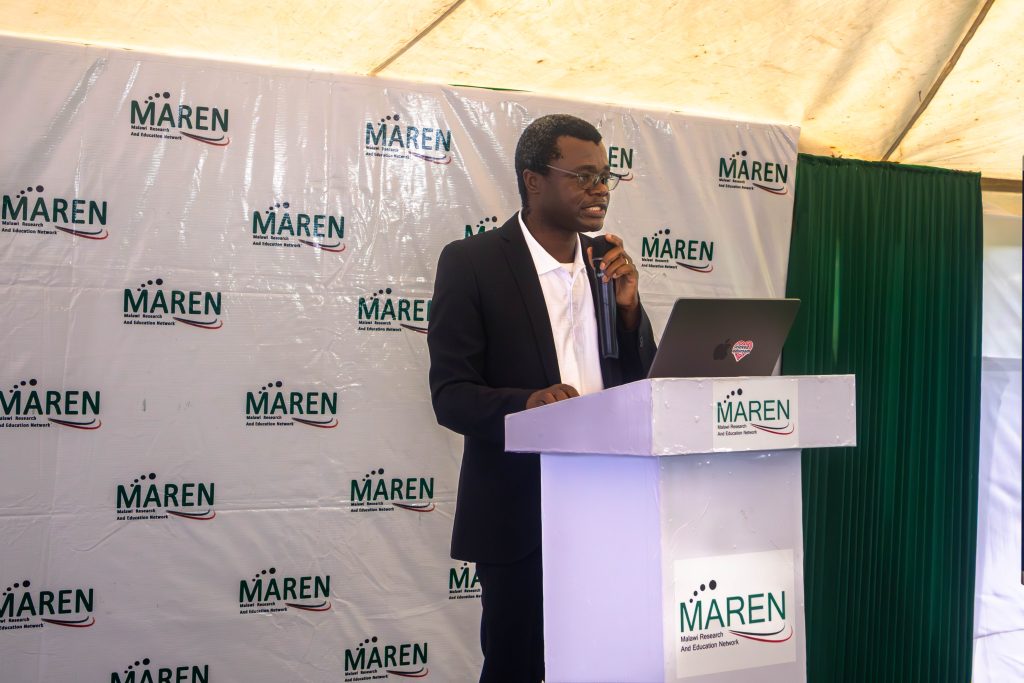
Opening the event, MAREN Chief Executive Officer Solomon Dindi reflected on the digital connectivity challenges that once constrained Malawian academia, describing a time when researchers and students were significantly limited by slow and unreliable internet access. He positioned MAREN as the dedicated national response to that challenge, a digital highway built specifically for Malawi’s research and education community.
“Having you here today is a significant milestone for us. You, as the media, are in the business of information. We, at MAREN, are in the business of enabling education and research through connectivity. Together, we are the architects of Malawi’s progress,” Dindi told journalists.
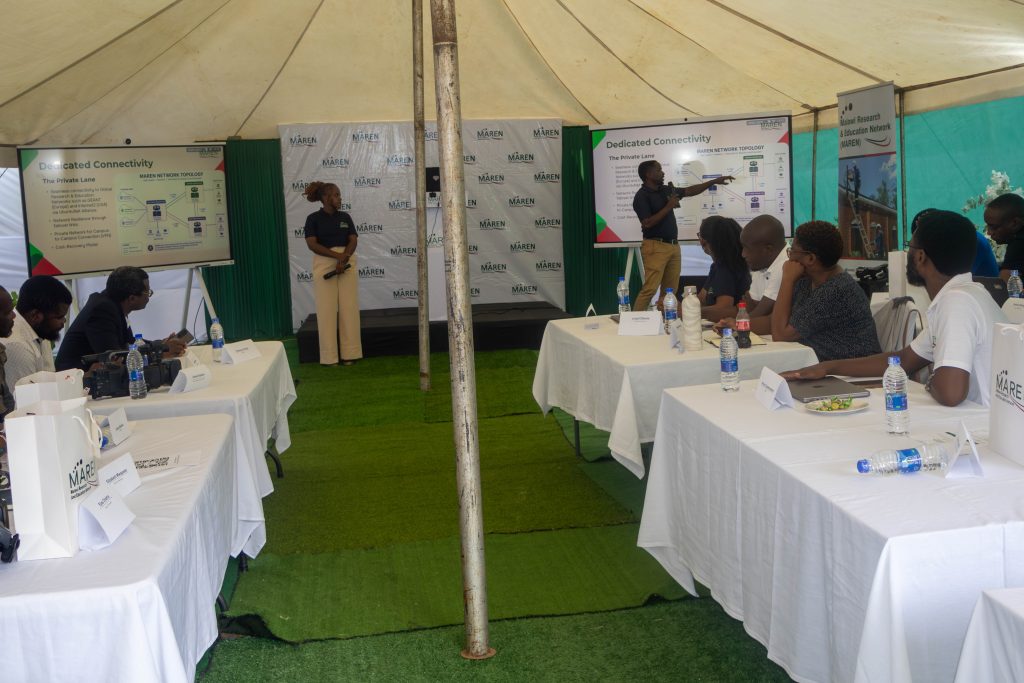
Departmental presentations were delivered by the Network and Infrastructure Department (Trot Makasu and Rexa Mphuwa), the Systems Department (Jones Kumwenda), the Partnerships and Projects Department (Ulemu Maseko), and the Cybersecurity Department (Samuel Loga). Topics covered included dedicated internet connectivity, eduroam, IPv6 deployment, cloud infrastructure, the National Research Repository, identity federation services, cybersecurity support programmes, and MAREN’s strategic partnerships with organisations including DataCite, the Internet Society, and the World Bank.
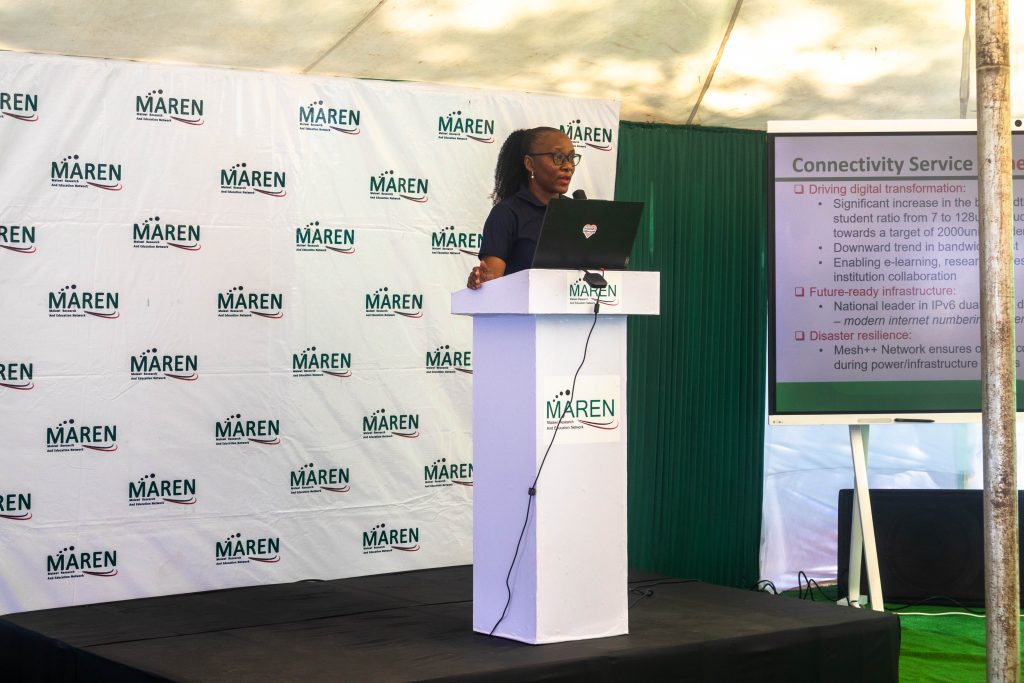
An overview presentation by Grace Dzoole summarised MAREN’s impact across four pillars; connectivity, digital services, cybersecurity, and partnerships; noting that Malawian researchers now have access to the same global academic tools as institutions such as Oxford, MIT, and ETH Zurich, and that MAREN currently serves 43 institutions across the country.
“MAREN doesn’t just connect cables. We connect Malawian minds to global conversations, while keeping our data, talent, and innovation at home,” Grace Dzoole told the gathering.
Live exhibitions featured the Solar Wi-Fi Node, a solar-powered connectivity solution, and the Huawei IdeaHub smart collaboration technology, both showcased by Mwayi Chatsika and Alexous Chipalamwazani of the Network and Infrastructure Department. The Systems Department (Grace Gausi and Joyce Mtawali) demonstrated the National Research Repository (edurepo.maren.ac.mw), which integrates institutional repositories from UNIMA, MUBAS, and other leading institutions. Funded by DataCite, the repository assigns Digital Object Identifiers (DOIs) to research outputs, making Malawian scholarship permanently accessible and citable worldwide.
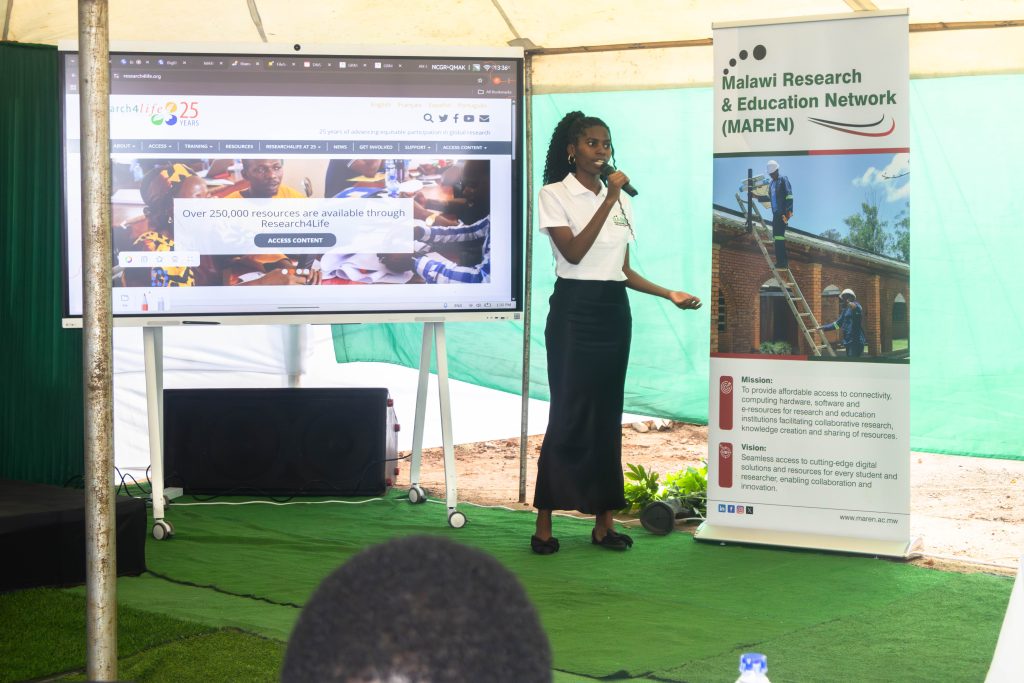
The event marks a strategic shift by MAREN toward greater public visibility, with the organisation committing to an ongoing working relationship with the media as one of its channels for communicating its impact to the Malawian public.
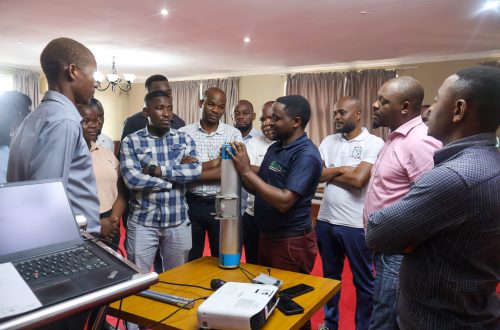
Beyond Power Outages: MAREN Equips Southern Region Institutions for Resilient, Seamless Campus Connectivity
Imagine a lecturer, hours away from submitting an important research grant application. The proposal is
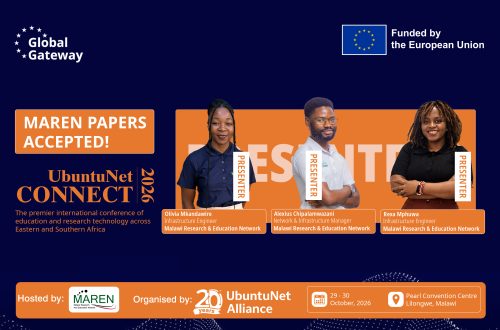
MAREN Engineers Take Home-Grown Expertise to UC2026 Regional Stage
It starts with the work happening quietly behind the internet connections students, lecturers and researchers
