Knowledge becomes more powerful when it can travel.
For Malawi’s universities and research institutions, getting research beyond institutional shelves and into the hands of researchers, students, policymakers and the wider public requires more than technology. It requires people with the knowledge to manage it and the technical support to keep it working.
That is where a new collaboration between MAREN and Malawi’s librarians is taking shape, with support from UbuntuNet Alliance and Invest in Open Infrastructure (IOI).
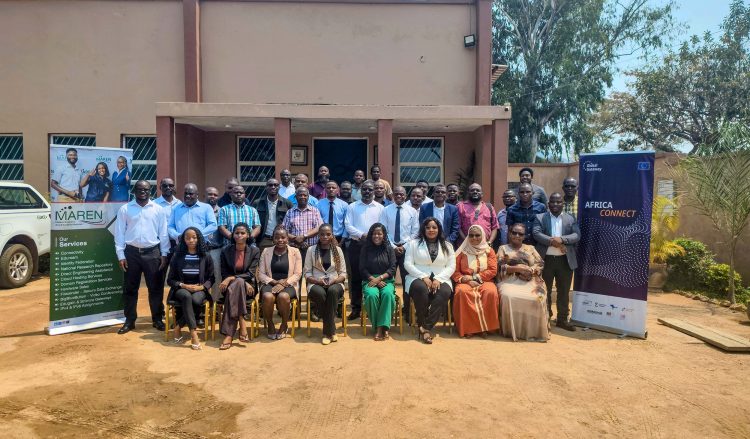
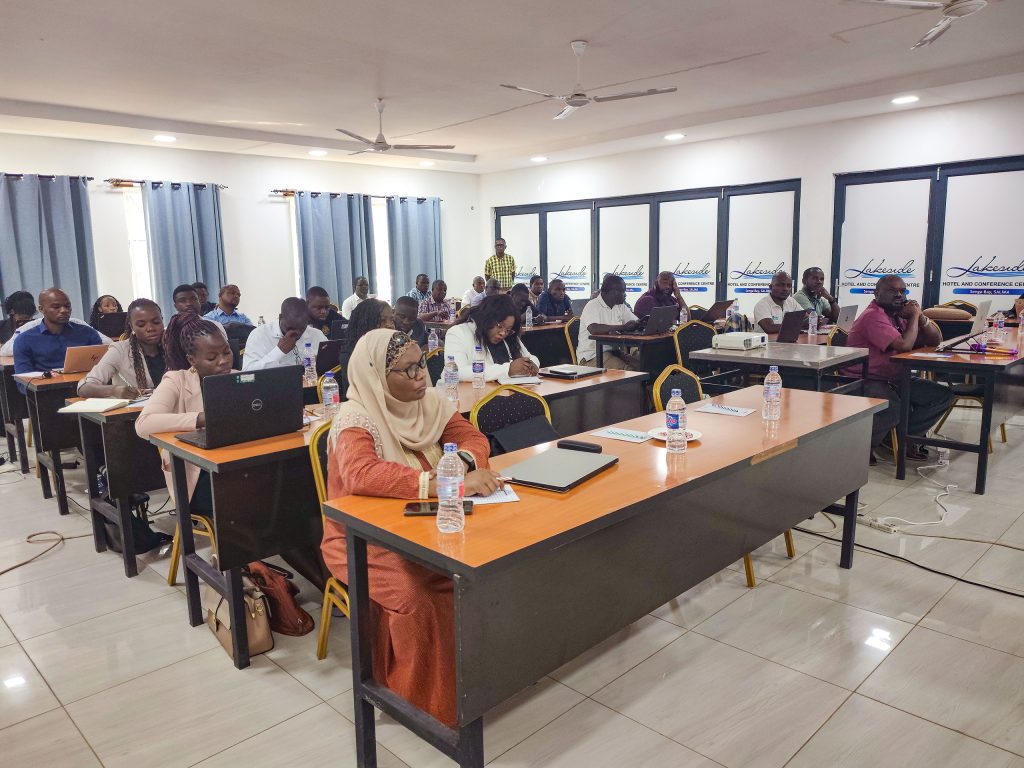
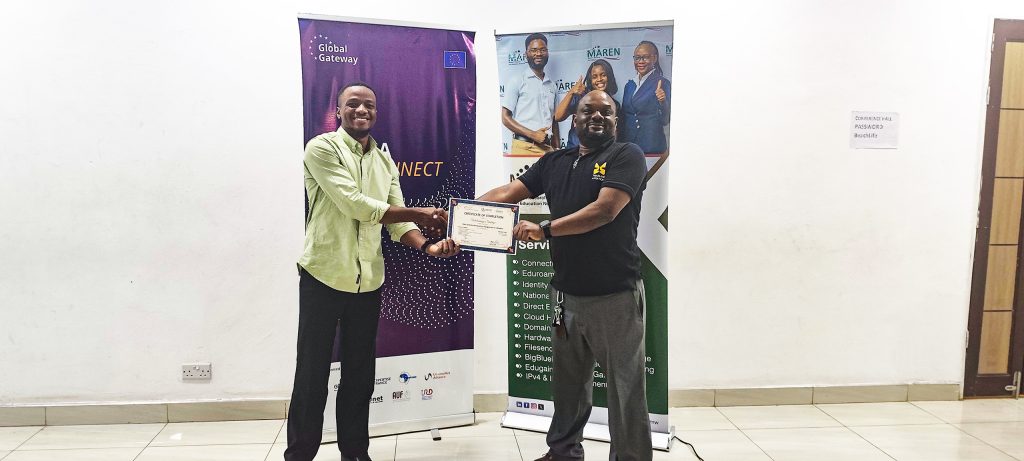
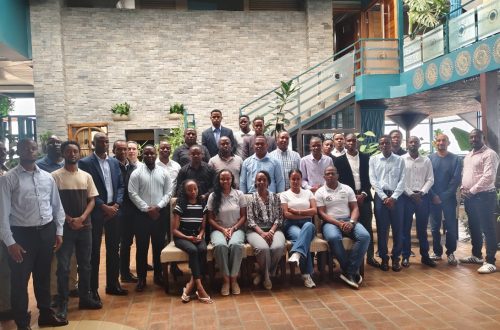
The collaboration was strengthened through a three-day training in Salima from 7–9 September 2026, where librarians gained practical skills in deploying and managing institutional repositories, including DSpace, a digital platform used to preserve and share research online. Participants were awarded certificates at the end of the training.
But the bigger outcome was the connection forged between the people who manage knowledge and those who provide the technology behind it.
Under the emerging approach, MAREN will provide technical support, including configuration and authentication, while librarians will oversee the day-to-day management of repositories at their institutions. This creates a shared responsibility aimed at one goal: making more of Malawi’s research visible and accessible.
“This is the first step. I am very optimistic that we will move forward together and the institutions will be able to create their own repositories, with MAREN providing the technical support they need. I am looking forward to further engagements. Our goal is to see these repositories deployed in good time and the data deposited to international standards,” said MAREN CEO Solomon Dindi.
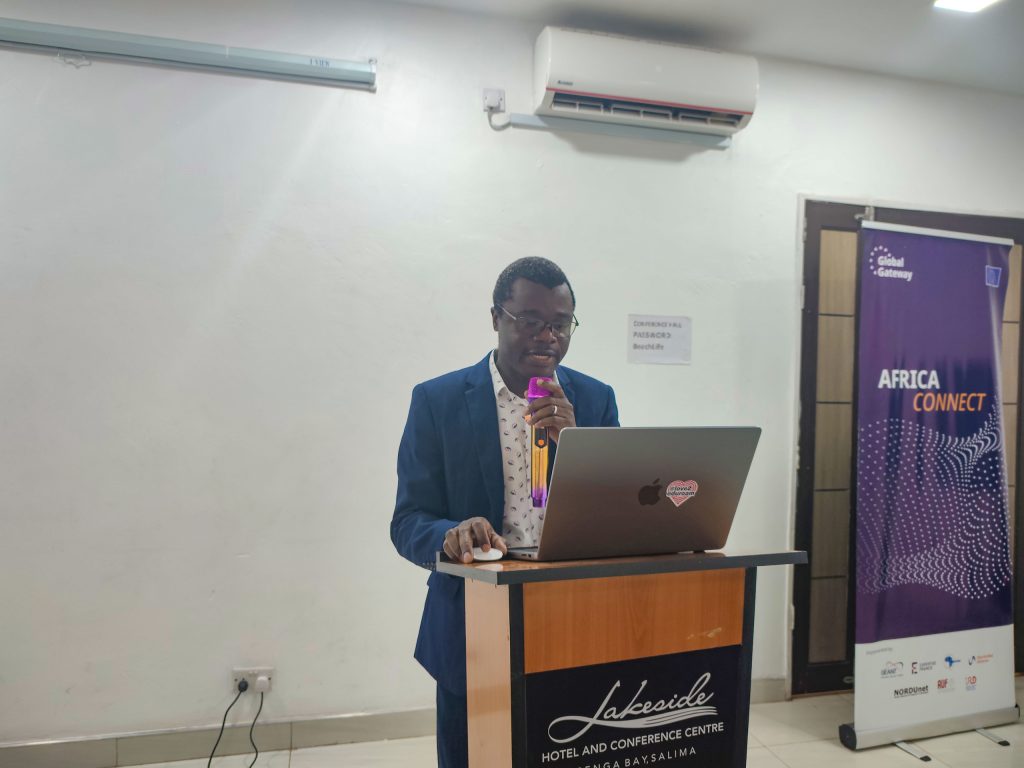
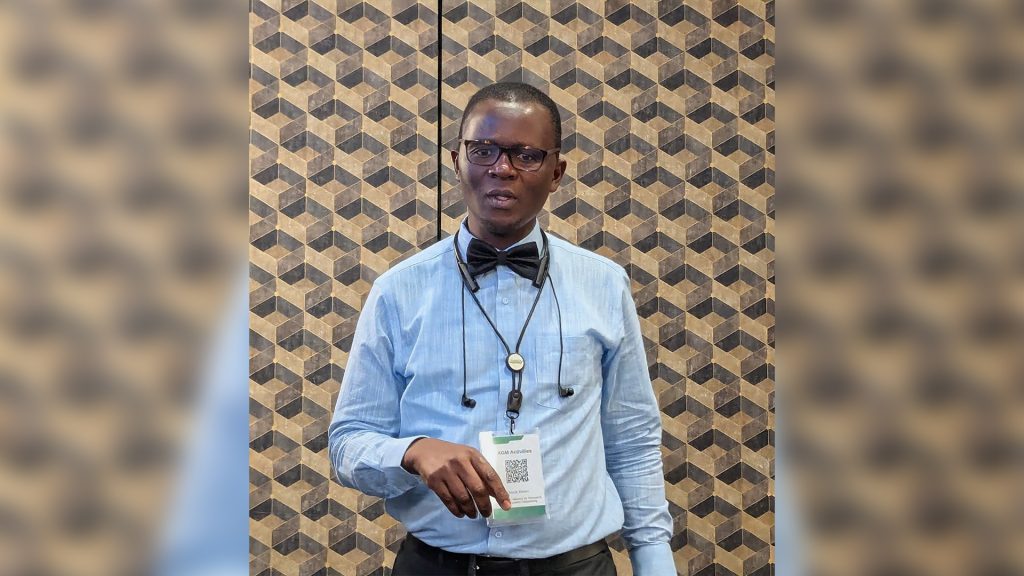
For Walusungu Simbeye of the National Library, the training provided practical skills that are central to managing a digital repository. He also highlighted how the collaboration brings together MAREN’s technical expertise and librarians’ knowledge of managing research information.
“The training was very important to me. It was an eye opener in many ways. We had issues with organising research materials, generating metadata, cataloguing, uploading and maintaining records, and ensuring that research outputs are properly described and discoverable. I now see myself being able to do this,” said Simbeye.
“Under the collaboration with MAREN, librarians can apply these skills to manage and curate the content in their repositories, while MAREN provides the technical infrastructure and specialist support” Simbeye continued.
Eliakim Mukundi, Regional Project Manager at UbuntuNet Alliance, said, “It was important to conduct this training so that institutions have both the technology and knowledge to curate their research outputs and make them findable across Africa and beyond. When research that is produced in Africa becomes more discoverable, it has a greater opportunity to be cited, and African researchers can have a stronger voice on the global stage.”
The initiative reflects a simple principle: research visibility is a shared responsibility. When librarians, technical experts and regional partners bring their strengths together, the result is more than a repository. It is a stronger pathway for knowledge produced in Malawi to be discovered, accessed and used beyond the institutions where it originates.
One Login, Wider Access: Strengthening Digital Access for Malawi’s Research and Education Community
A student from one university connecting securely to Wi-Fi while visiting another. A researcher accessing
MAREN Strengthens Capacity to Make Malawi’s Research More Accessible
Theses, dissertations, research papers and reports produced by Malawi’s universities and research institutions can have
