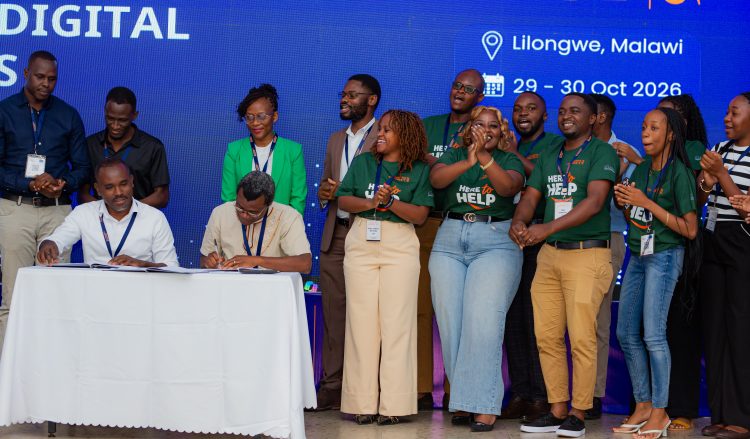
Two countries. Different borders. Shared challenges. One vision.
Malawi and Uganda may be separated by thousands of kilometres, but their research and education institutions face many similar challenges, from the need for affordable connectivity to growing demands for advanced digital infrastructure and services.
But why should each country struggle to find solutions alone when it can learn from the experiences of another?
And why should Africa always look beyond its borders for solutions when its own institutions possess knowledge, expertise and innovations worth sharing?
It is this spirit of African cooperation that has brought together the Malawi Research and Education Network (MAREN) and the Research and Education Network for Uganda (RENU).
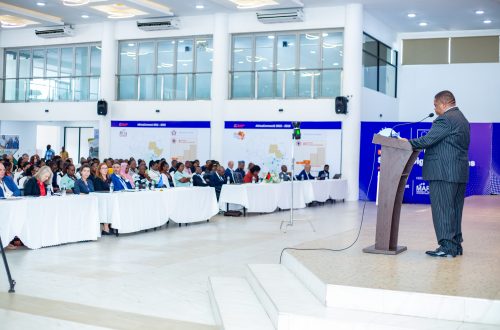
During the 19th UbuntuNet-Connect Conference (UC2026) in Lilongwe, Malawi, the two National Research and Education Networks (NRENs) signed a Memorandum of Understanding (MoU) to strengthen institutional collaboration, facilitate knowledge and experience sharing, and collectively address challenges facing their respective research and education communities.
The agreement was signed by MAREN Chief Executive Officer Solomon Dindi and RENU Chief Executive Officer Nicholas Mbonimpa, marking a shared commitment to learning from one another and drawing on their respective strengths to advance research and education.
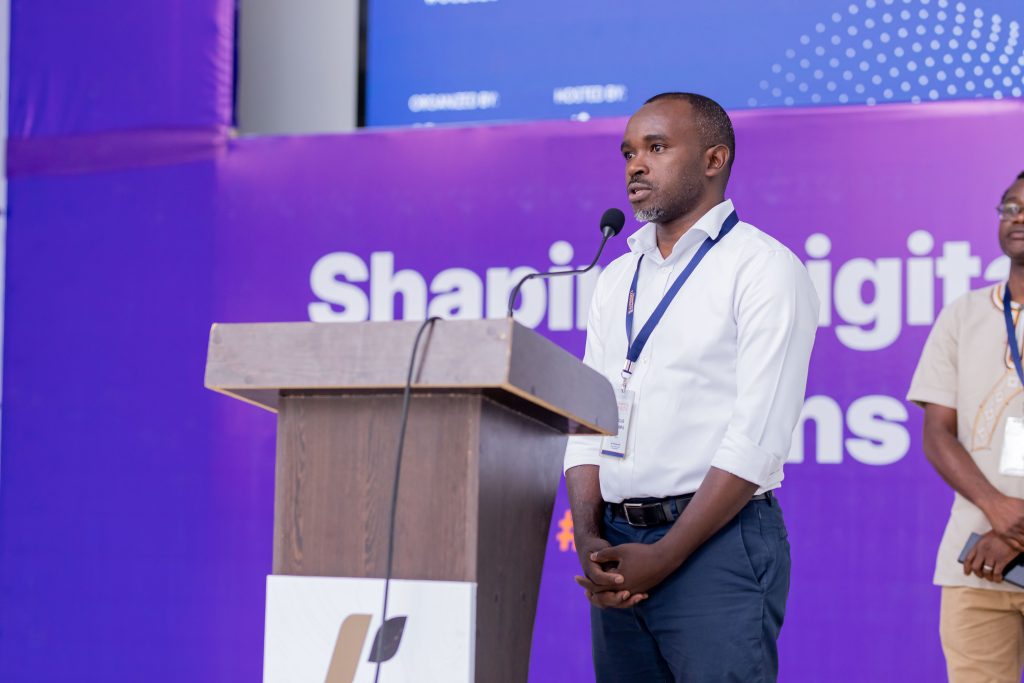
Reflecting on the significance of the partnership, MAREN CEO Solomon Dindi emphasised the value of African institutions working together to address common challenges.
“Malawi and Uganda face similar challenges, and many of the solutions we need already exist within Africa. By sharing knowledge, expertise and experience, MAREN and RENU can develop practical solutions to these challenges together. We see this agreement as the beginning of broader collaboration among African NRENs,” Dindi said.
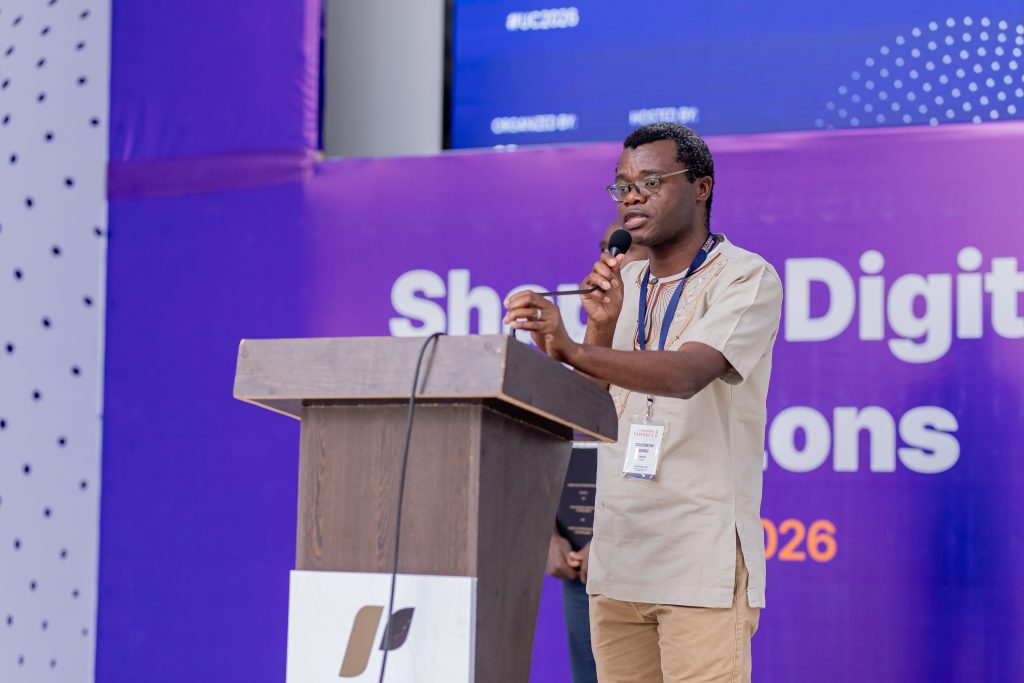
Sharing the same vision, RENU CEO Nicholas Mbonimpa highlighted the importance of collaboration in building stronger research and education networks across the continent.
“This partnership represents our shared commitment to building stronger and more resilient research and education networks across Africa. Through collaboration, innovation, and knowledge exchange, we can better support our member institutions and accelerate digital transformation within the education and research ecosystem,” he said.
For MAREN and RENU, the agreement goes beyond a formal commitment on paper. It represents a belief that African institutions can learn from one another, develop homegrown solutions and collectively overcome challenges that may be difficult to address in isolation.
And what better place to strengthen that commitment than at UbuntuNet-Connect, a conference built around the very principles of unity, collaboration and shared progress?
This is Ubuntu in action.
The signing marks the beginning of what both NRENs envision as a wider effort to strengthen cooperation across Africa’s NREN community, with aspirations to extend similar arrangements to other NRENs.
Because the solutions Africa needs may already exist within Africa.
Sometimes, all it takes is connecting the people and institutions that hold them.
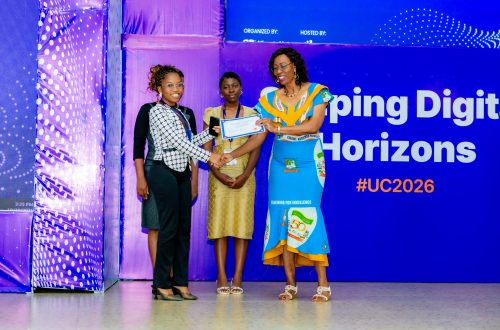
Malawi Makes Second at the UC2026 Women Hackathon
March 2023. Southern Malawi. Cyclone Freddy strikes. Homes are destroyed, communities are displaced, and families
Beyond Connectivity: Africa Comes Together to Shape Its Digital Future
Two decades ago, African universities and research institutions faced a common challenge: expensive internet connectivity,
