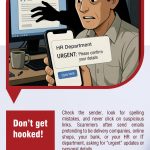
Don’t get hooked! Check the sender, look for spelling mistakes, and never click on suspicious links. Scammers often send emails pretending to be delivery companies, online shops, your bank, or your HR or IT department, asking for “urgent” updates or personal details.
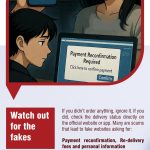
Watch out for the fakes If you didn’t order anything, ignore it. If you did, check the delivery status directly on the official website or app. Many are scams that lead to fake websites asking for: Payment reconfirmation, Re-delivery fees and personal information.
Beware of too good to be true deals Surprise discounts or shops you have never heard of offering unbelievable deals are a common tactic used by scammers. Always verify the website’s name and spelling, check for HTTPS or the padlock symbol, and avoid paying via direct bank transfer.
Don’t let deepfakes fool you With AI tools, scammers can now fake voices, photos and even videos. If someone calls or messages you sounding urgent especially about money, verify through a separate channel.