For many higher education and research institutions in Malawi, internet connectivity remains vulnerable to power outages, fibre cuts, and unexpected infrastructure failures. When these disruptions occur, they often bring teaching, learning, research, and essential administrative services to a standstill, sometimes at the most critical moments.
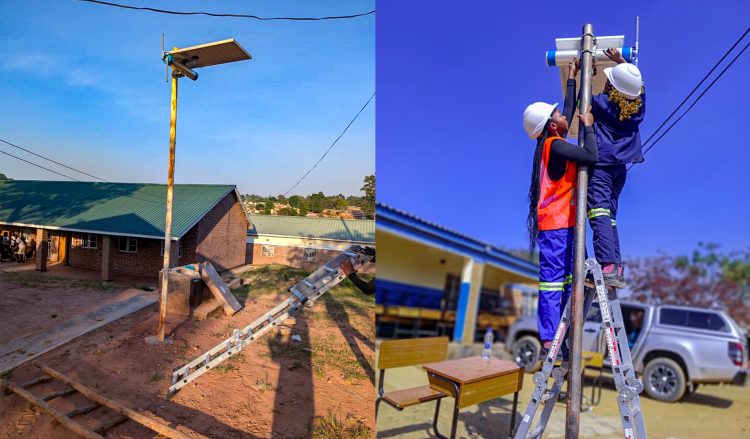
This persistent challenge had prompted the Malawi Research and Education Network (MAREN) to pilot the deployment of solar-powered Mesh++ Wi-Fi infrastructure, an initiative designed to strengthen network resilience and keep institutions online even when conventional network systems fail.
Between 28 October and 14 November 2025, MAREN implemented the pilot at selected member institutions in the Northern Region namely: the University of Livingstonia (UNILIA), Saint John’s Institute for Health, Malawi College of Accountancy (Mzuzu Campus), Mzuzu Technical College, and Mzuzu University. Supported by the Internet Society Foundation, the initiative marks an initial phase, with plans already underway to roll out similar installations to universities and research institutions in the Central and Southern regions.
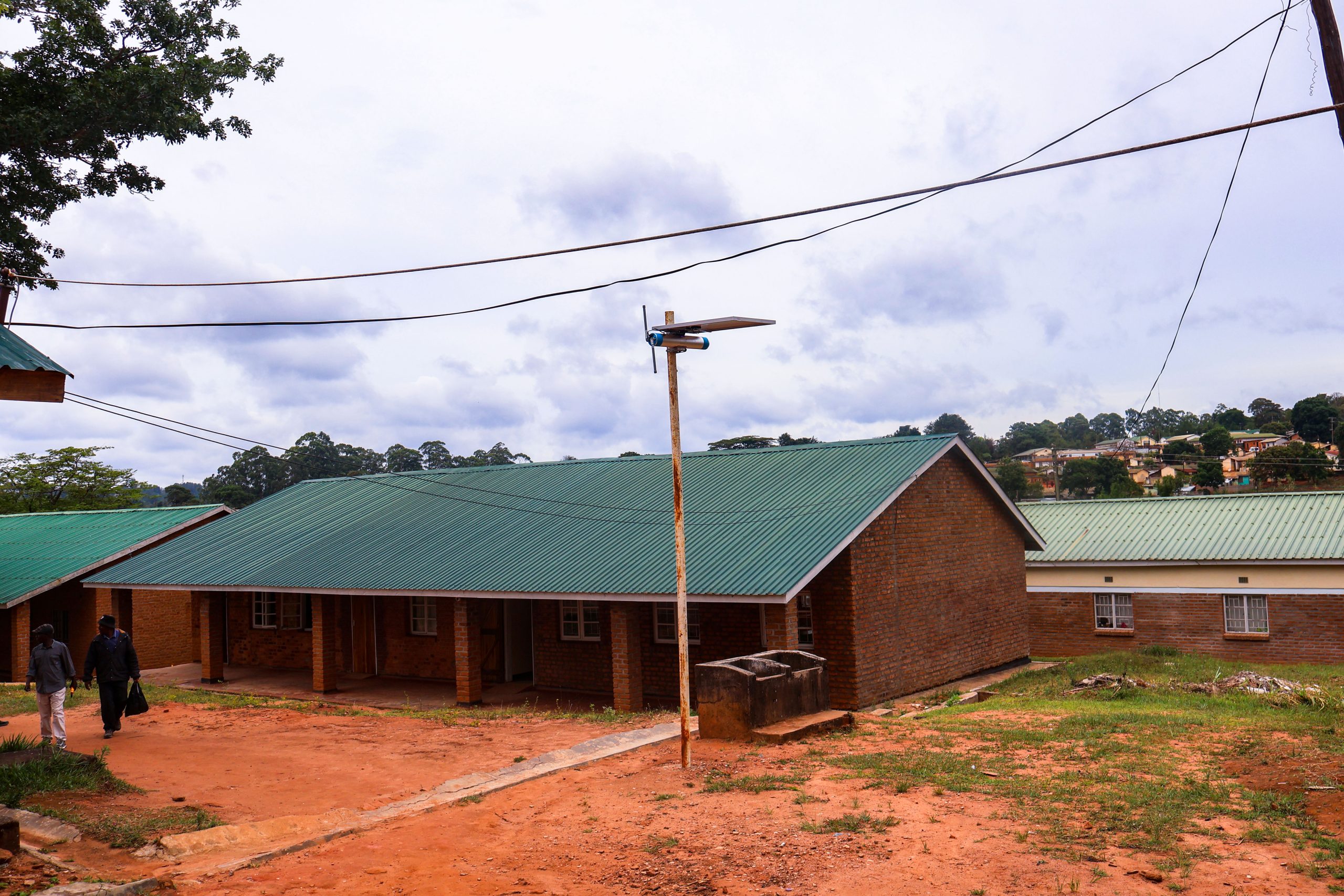
Unlike traditional campus networks that rely entirely on grid electricity, the solar-powered Mesh++ infrastructure operates independently, drawing energy from sunlight and linking to mobile broadband for internet access. In addition to ensuring continuity, the deployment introduced a centralized network management system that allows institutions to control user access, enhance security, and prevent misuse.
The impact of the pilot became evident immediately.
During the deployment period, a fire incident at UNILIA’s Kaning’ina Campus destroyed the main server and all equipment dependent on grid power. Under normal circumstances, such an incident would have completely disconnected the campus. Instead, the solar-powered Mesh++ nodes continued operating without interruption. Internet access was sustained, allowing classes, research activities, and administrative operations to continue despite the extensive damage.
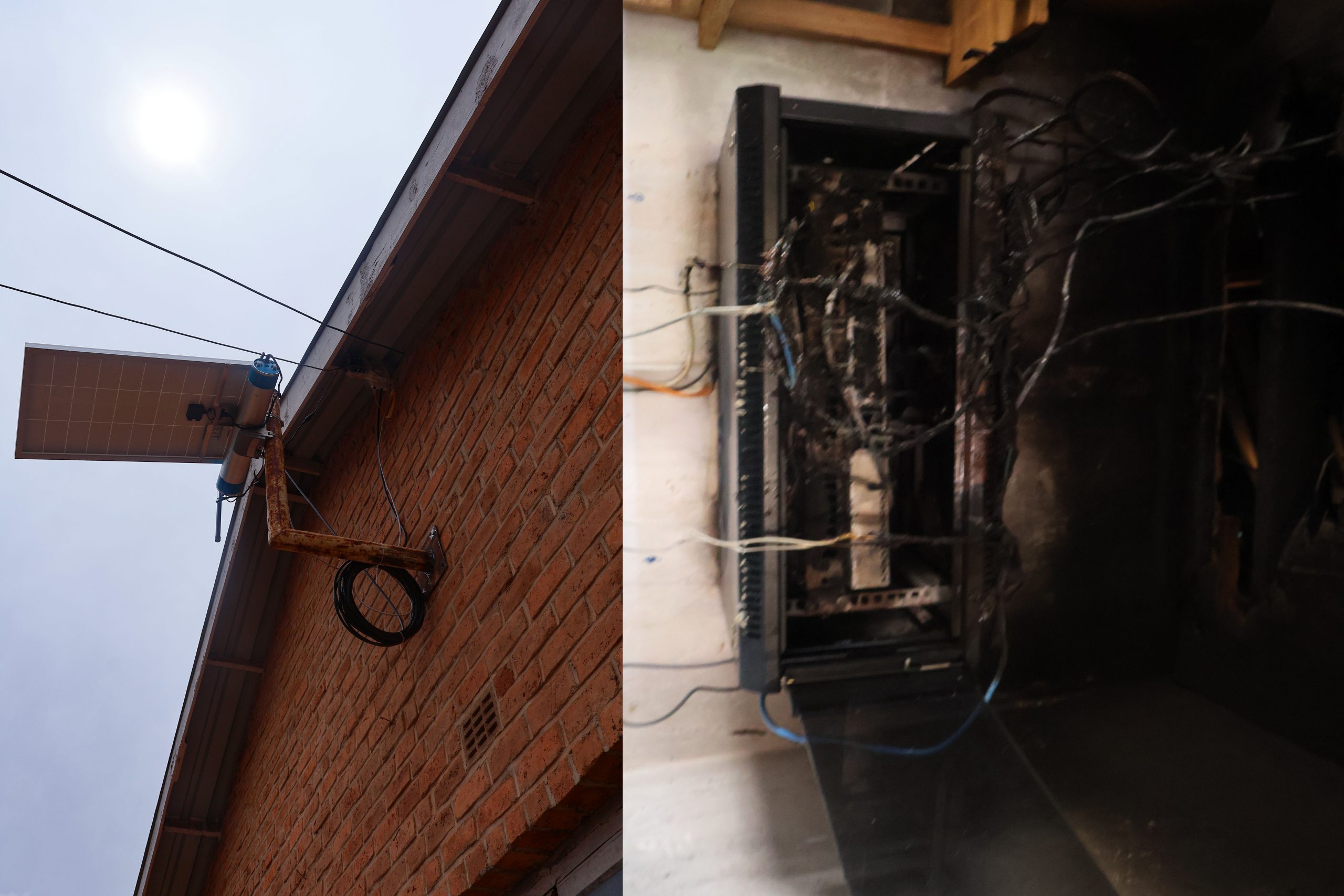
Recognizing the need to further strengthen coverage, MAREN subsequently installed additional nodes using fibre as the primary connection source. This enhancement significantly improved Wi-Fi reach across the campus and ensured more stable and consistent access for users.
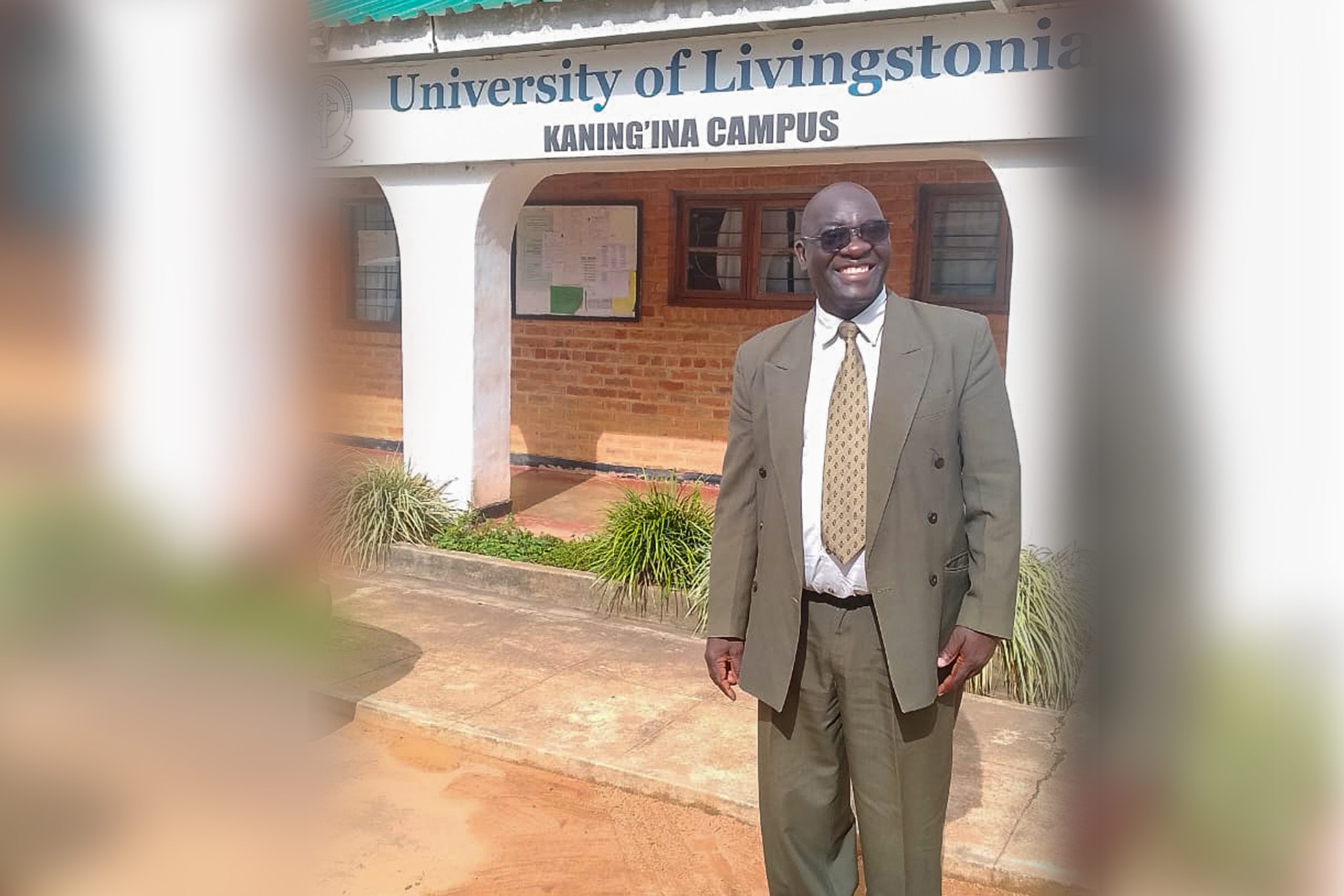
UNILIA University Registrar, Reverend Wisdom Mwale, described the intervention as both timely and transformative. He noted that continued reliance on grid power alone would have severely affected the institution’s operations following the fire incident.
“The solar-powered Wi-Fi has sustained the campus to date following the destruction of key network infrastructure,” he said, adding that the University has received very few complaints from students as “Connectivity was largely maintained, and the impact of the outage was largely unnoticed.”
Reflecting on the initiative, MAREN Network Engineer Trot Makasu emphasized its broader significance. “This initiative brings a lasting impact to research and education institutions, and it directly contributes to Malawi’s development, as reliable internet access is essential for students and researchers,” he said.
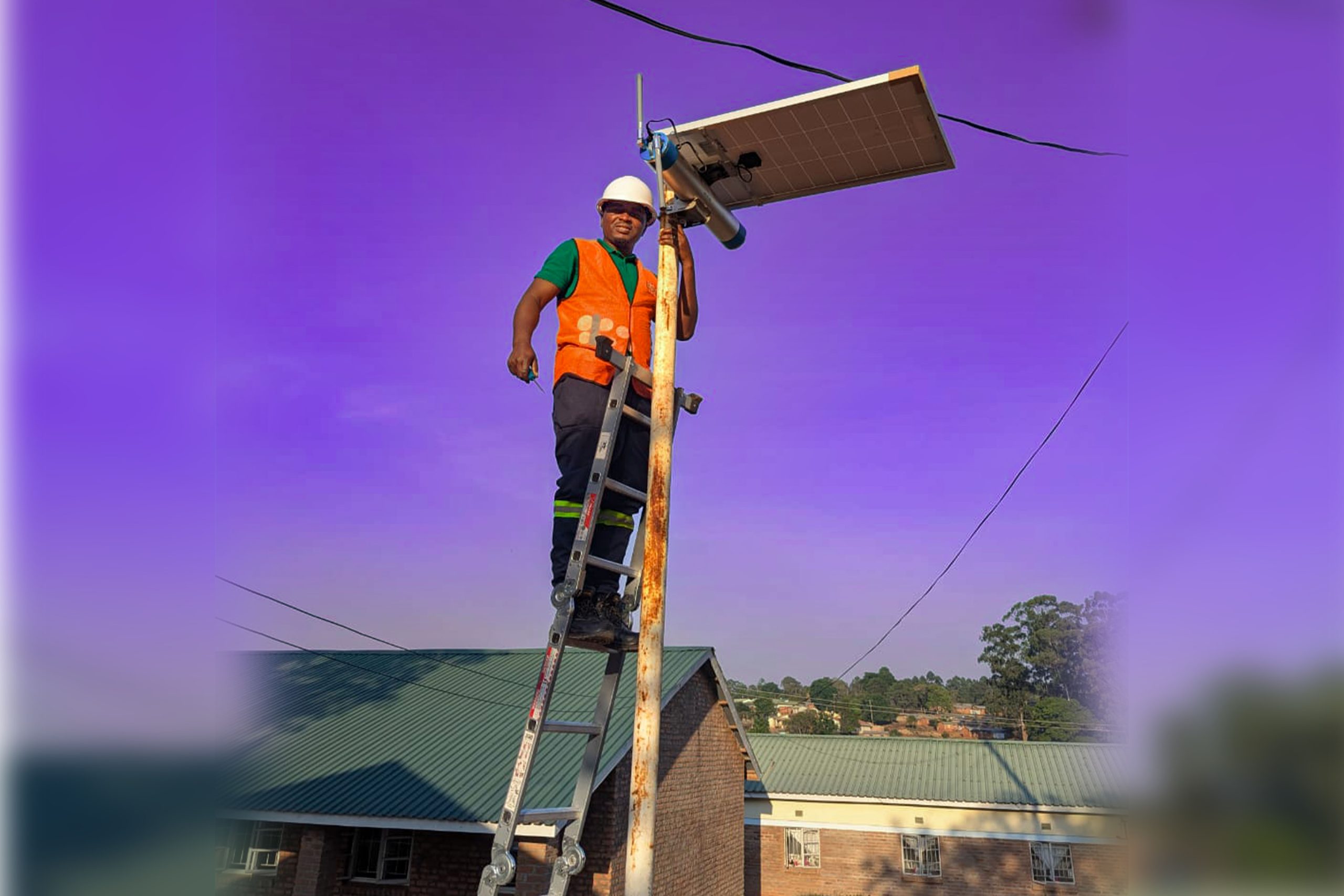
With deployments in the Northern Region now complete, the pilot has demonstrated that solar-powered Wi-Fi can play a critical role in ensuring network continuity during power and infrastructure disruptions. Building on this success, MAREN will extend the initiative to member institutions in the Central and Southern regions, reinforcing reliable and equitable connectivity across Malawi’s research and education sector.
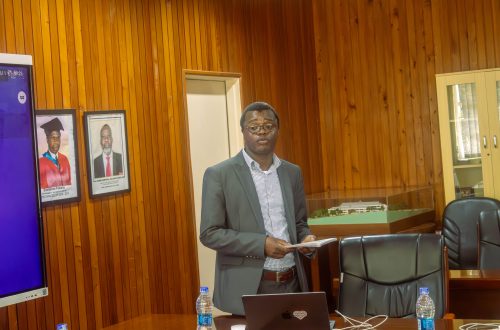
Maren Ceo, Mr. Solomon Dindi Appointed to Afrinic Nomination Committee for 2026 Elections
We are pleased to announce that the AFRINIC Board has appointed Mr. Solomon Dindi, CEO

Call for Abstracts Now Open – UbuntuNet-Connect 2026
The Malawi Research and Education Network (MAREN), and UbuntuNet Alliance are pleased to announce the
